



Policy
What Work Does Generative AI Do?
Essays SEP 8, 2026
By: Alexander Bick, Adam Blandin, David Deming, Tyler Schumacher
AI, Tech & Energy
Labor, Wages & Worker Power
 Browse All Resources
JUL 27, 2017
By: Bridget Ansel
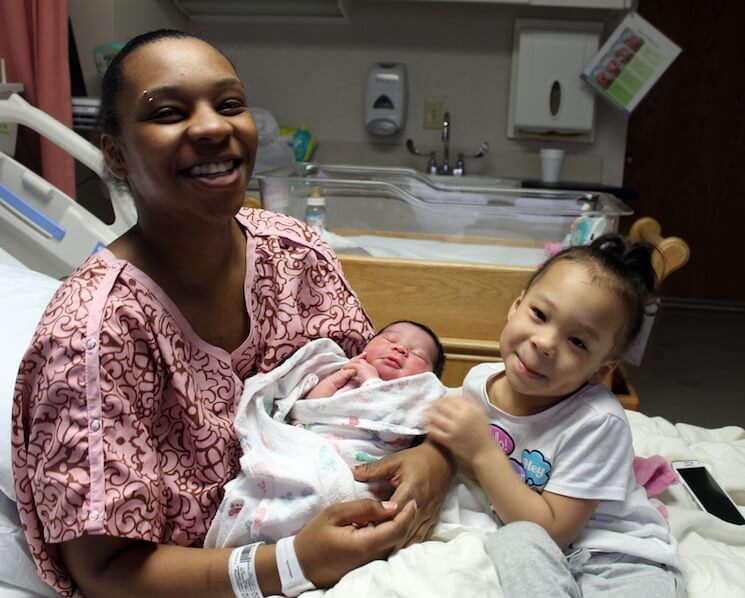
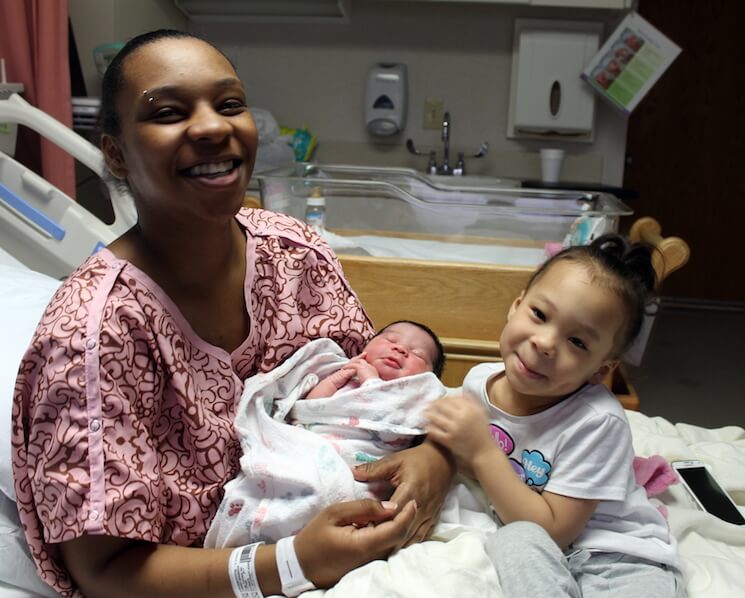
(AP Photo/Skip Foreman)
The push comes in response to the mounting realization that today’s workplaces do not address the fact that most of us at some point in our lives must take time off work because of our own physical health or to care for somebody else. The Family and Medical Leave Act guarantees 12 weeks of unpaid leave for qualified medical and family reasons, but only 60 percent of workers qualify under current guidelines. Only 12 percent of private sector workers have access to paid leave through their employers. And while some Americans are covered by state programs, the vast majority of U.S. workers face the impossible choice between the loss of wages—or even their job—during the birth of a child, a medical emergency, or the need to care for a sick family member.
The good news is that many states have taken matters into their own hands, which also gives policymakers examples of how a successful paid leave program might work on the national level. The success of programs in California, New Jersey, and Rhode Island has moved Washington state, New York, and Washington, DC, to pass their own policies—all within the past year. And for good reason: Mothers who take leave are more likely (opens in a new tab) to breastfeed and ensure that their kids receive regular checkups and immunizations. Research on California’s program found that new mothers were more likely (opens in a new tab) to remain in the labor force and worked (opens in a new tab) more hours for more money one to three years after the birth of a child. This is good news considering that women’s labor force participation has stagnated, partially due (opens in a new tab) to a lack of work-family supports. Paid leave also is associated (opens in a new tab) with a decline in public assistance usage, which lessens the burden on taxpayers.
These programs also are good for men. Giving birth is an experience obviously unique to women, but medical ailments and the need to care for an infant or sick family member affects everyone, men and women alike. Well-designed (opens in a new tab) paternity leave policies reduce discrimination against women and also encourage a more equitable division of childcare and housework, which can free up time for women to play a larger role in the labor market.
While all these things sound good, many policymakers are rightfully concerned about the costs for businesses, which could take a substantial financial hit if forced to shoulder the entire cost of workers’ wages when they take leave. That’s why any paid leave program should be financed through a social insurance program, as states with existing programs have done. Workers’ wage replacement while on paid leave is funded through small premiums collected into a trust fund, and in most states is paid for entirely by a small payroll tax on employees. New York’s new policy, for example, has employees paying (opens in a new tab) around $1 per week. To date, there is no evidence (opens in a new tab) that firms with higher rates of paid family leave usage are burdened by higher turnover or wage costs. According to a recent (opens in a new tab) Pew Research Center study, paid leave also makes it substantially more likely that workers return to their original employer compared with those who take unpaid leave.
As wages have stagnated over the past three decades, quitting one’s job or taking unpaid time out of work for any reason—whether for the birth of a child, a personal medical issue, or to take care of a sick family member—can torpedo a family’s economic security, even among dual-earning households. The examples of existing state policies show that paid family leave based on a social insurance model can provide a critical benefit for everyone in the U.S. workforce that far outweighs the costs.
Essays SEP 8, 2026
By: Alexander Bick, Adam Blandin, David Deming, Tyler Schumacher
Working Papers SEP 8, 2026
By: Alexander Bick, Adam Blandin, David Deming, Tyler Schumacher

Essays SEP 2, 2026
By: Megan Rivera
Get updates on our latest research, event announcements, and policy insights delivered straight to your inbox. Stay connected with the leading voices on equitable growth.


