



Policy
What Work Does Generative AI Do?
Essays SEP 8, 2026
By: Alexander Bick, Adam Blandin, David Deming, Tyler Schumacher
AI, Tech & Energy
Labor, Wages & Worker Power
 Browse All Resources
FEB 8, 2017
By: Matt Markezich
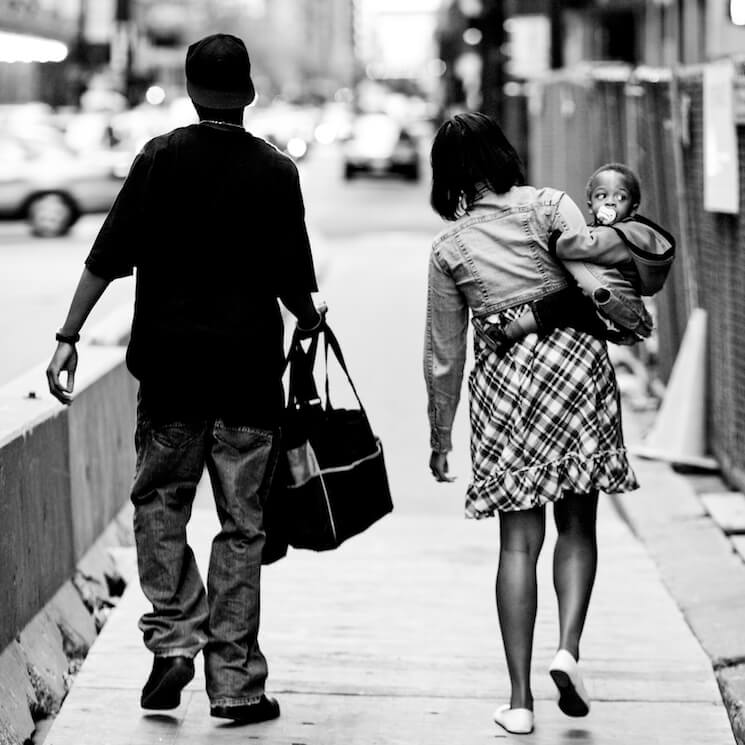
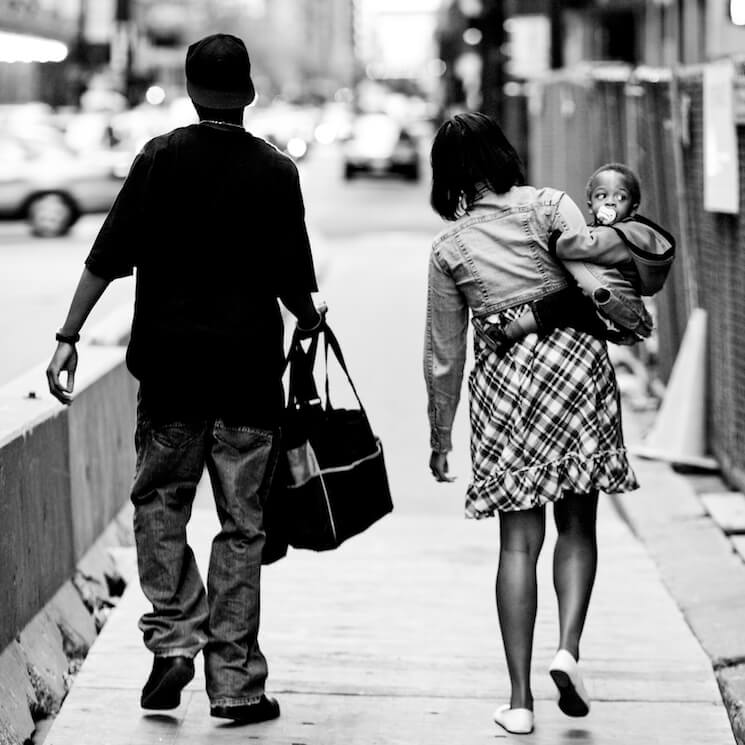
(Thomas Hawk for Flickr)
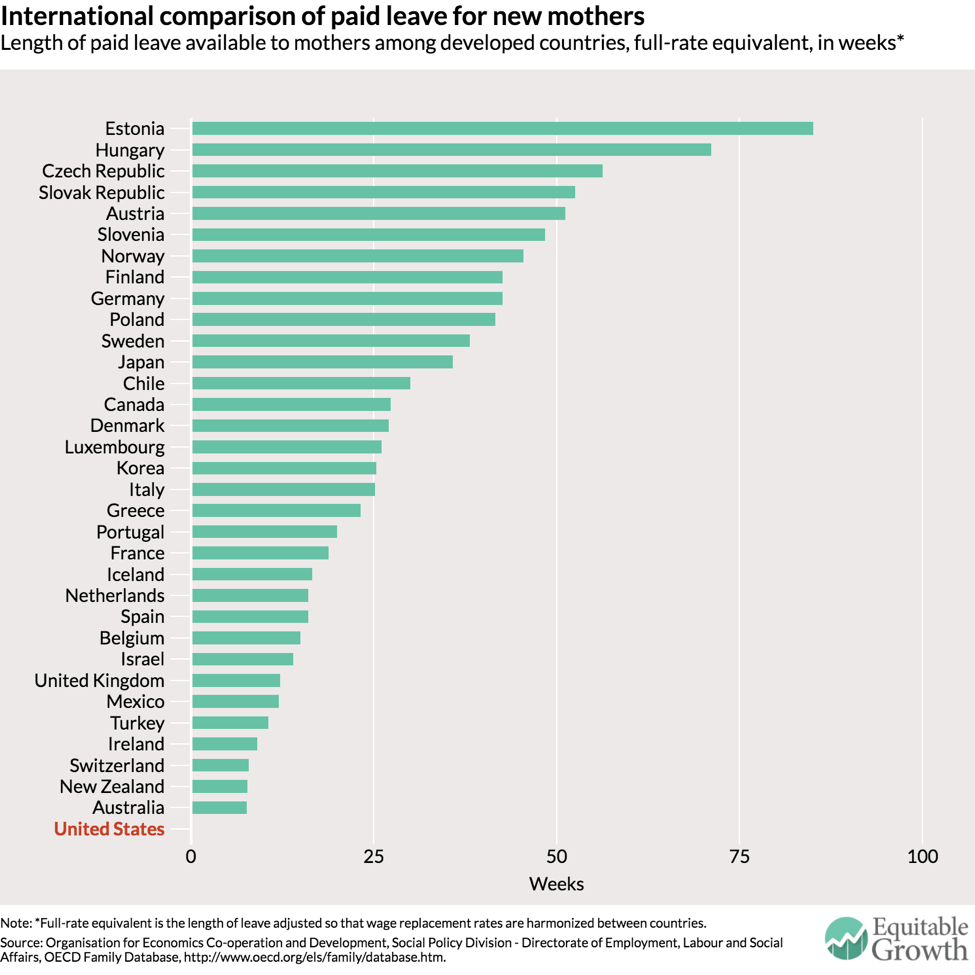
Internationally, the United States is a major laggard on expenditures on childcare and work-life benefits, and is alone among member countries of the Organisation for Economic Co-operation and Development in not providing any paid leave to new mothers. (See Figure 1.)
Within the United States, California, New Jersey, Rhode Island, and New York have enacted paid leave programs, and the District of Columbia has recently passed a version of its own—it just awaits Mayor Muriel Bowser’s signature. All in all, 13 percent of workers in the United States have access to paid family and medical leave (opens in a new tab) through state and local paid leave programs, as well as private employer plans.
These state and local programs provide insights into the economic effects of paid leave. In California, where workers can take up to six weeks of paid leave, researchers find that following implementation not only were workers much more likely to take leave following the birth of a child, but they more often returned to work following their period of leave. In the three years following child birth, researchers find that hours worked increased by 10 to 17 percent (opens in a new tab). Among women who were employed during their pregnancy, paid family leave raised the probability of returning to work (opens in a new tab) within a year of childbirth by 10.5 percentage points. Cross-national evidence (including California) shows that female employment rates increased by about 2.5 percent relative to their male counterparts with the introduction of paid leave.
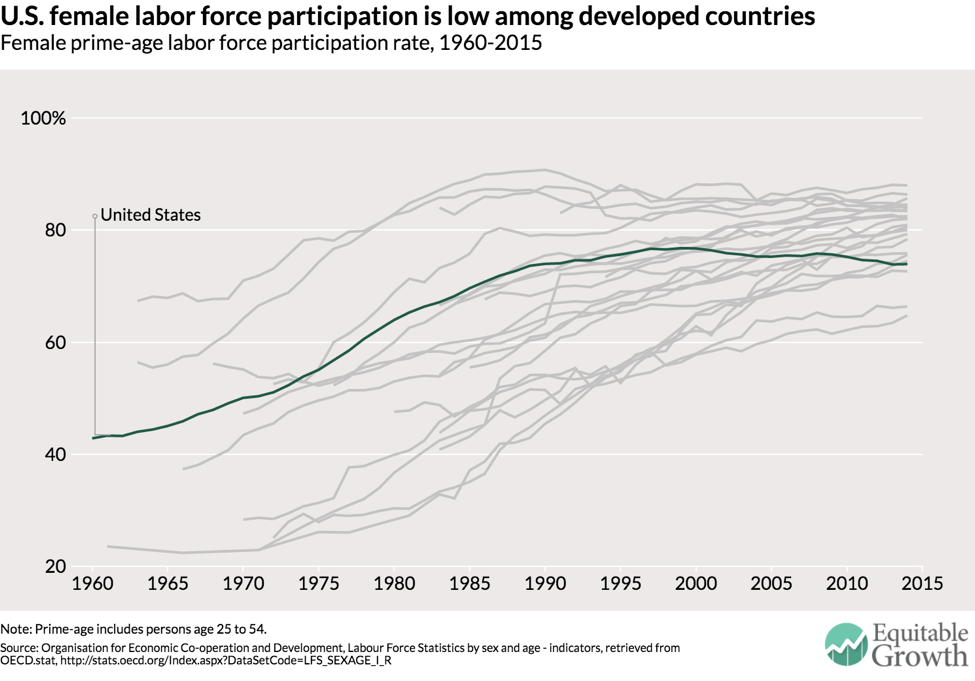
Since 1948, when data was first collected, U.S. labor force participation for women ages 16 to 64 was 32 percent. Today, that number has only risen to 56.8 percent (opens in a new tab). The difference is even more stark for prime-age workers, or those between the ages of 25 and 54, which economists use to control for demographic changes. Prime age participation grew from 38.9 percent to 73.4 percent from 1955 to 2015. Yet since the mid-1990s this progress has stalled out and even reversed slightly. Meanwhile, other advanced economies have seen women enter their labor forces unabated. The U.S now ranks 21st out of 24 OECD countries in prime-age female labor force participation. (See Figure 2.)
Research suggests this decline is largely due to a lack of work-life policies at the national level, and that the availability of paid leave increases the labor force participation rate (opens in a new tab) of women. An influential examination (opens in a new tab) of the economics of paid leave in Europe by University of Virginia economist Christopher Ruhm finds that paid family and medical leave programs raised the employment-population ratios of women by 4.2 percent.
Paid leave is not just a policy that would improve the individual lives of those who struggle to balance their responsibilities as a worker and as a caregiver. Paid leave also would boost U.S. economic growth and further equalize labor market disparities between men and women. The people who are left on the sidelines aren’t just missing out on income for themselves and their families, but they represent missing productive capacity for the entire economy.
Essays SEP 8, 2026
By: Alexander Bick, Adam Blandin, David Deming, Tyler Schumacher
Working Papers SEP 8, 2026
By: Alexander Bick, Adam Blandin, David Deming, Tyler Schumacher

Essays SEP 2, 2026
By: Megan Rivera
Get updates on our latest research, event announcements, and policy insights delivered straight to your inbox. Stay connected with the leading voices on equitable growth.


