



Policy
What Work Does Generative AI Do?
Essays SEP 8, 2026
By: Alexander Bick, Adam Blandin, David Deming, Tyler Schumacher
AI, Tech & Energy
Labor, Wages & Worker Power
 Browse All Resources
OCT 7, 2016
By: Nick Bunker

This is a weekly post we publish on Fridays with links to articles that touch on economic inequality and growth. The first section is a round-up of what Equitable Growth published this week and the second is the work we’re highlighting from elsewhere. We won’t be the first to share these articles, but we hope by taking a look back at the whole week, we can put them in context.
On Tuesday, Equitable Growth released the latest round of our monthly working paper series. The papers covered the effect of higher minimum wages on firm values, changes in economic security near the birth of a child, and the role of bargaining power in earnings inequality.
Nancy Folbre summarizes the argument of her working paper, asking (opens in a new tab) if the “one percent” deserves what it gets. “One difference between the rich and us is that they have more money. They also enjoy—both as cause and effect—a lot more power.”
Bridget Ansel writes about the new research on economic volatility surrounding childbirth and the effect that policy can have on mitigating this economic insecurity.
Antitrust and competition policy are back in the policy spotlight as concerns about business consolidation and increasing market power have increased. It may be time to rethink these policy areas in the 21st century. Equitable Growth hosted an event looking into just that on Thursday.
Why do workers who have been out of work for a while have a hard time finding jobs? New research points toward the effect of unemployment itself, rather than anything “wrong” with the worker prior to unemployment.
“Now, it is undeniably clear that rising income inequality—one of the major economic problems of our time—disproportionately impedes black workers.” Jeff Guo writes on increasing racial economic inequality. [wonkblog (opens in a new tab)]
Fiscal policy was once, and in some corners still is, considered an out-of-date policy by many economists. Jason Furman, however, argues that there is a “New View” of fiscal policy that sees it as an effective and important part of responding to economic downturns. [cea (opens in a new tab)]
The declining labor market participation rate for men of working age is one of the most troubling trends in the U.S. economy. What’s responsible for it? Justin Fox looks at the significant negative impact of incarceration. [bloomberg view (opens in a new tab)]
“But with short-term pressures on the rise, our future growth and productivity are threatened, with important implications for wages, standards of living, and our general well-being.” Rachelle C. Sampson writes on the looming problem of “short-termism.” [vox (opens in a new tab)]
The discussions around the health of modern macroeconomics sparked by economist Paul Romer continues. Narayana Kocherlakota reviews some recent comments in the debates and responds in kind. [kocherlakota009 (opens in a new tab)]
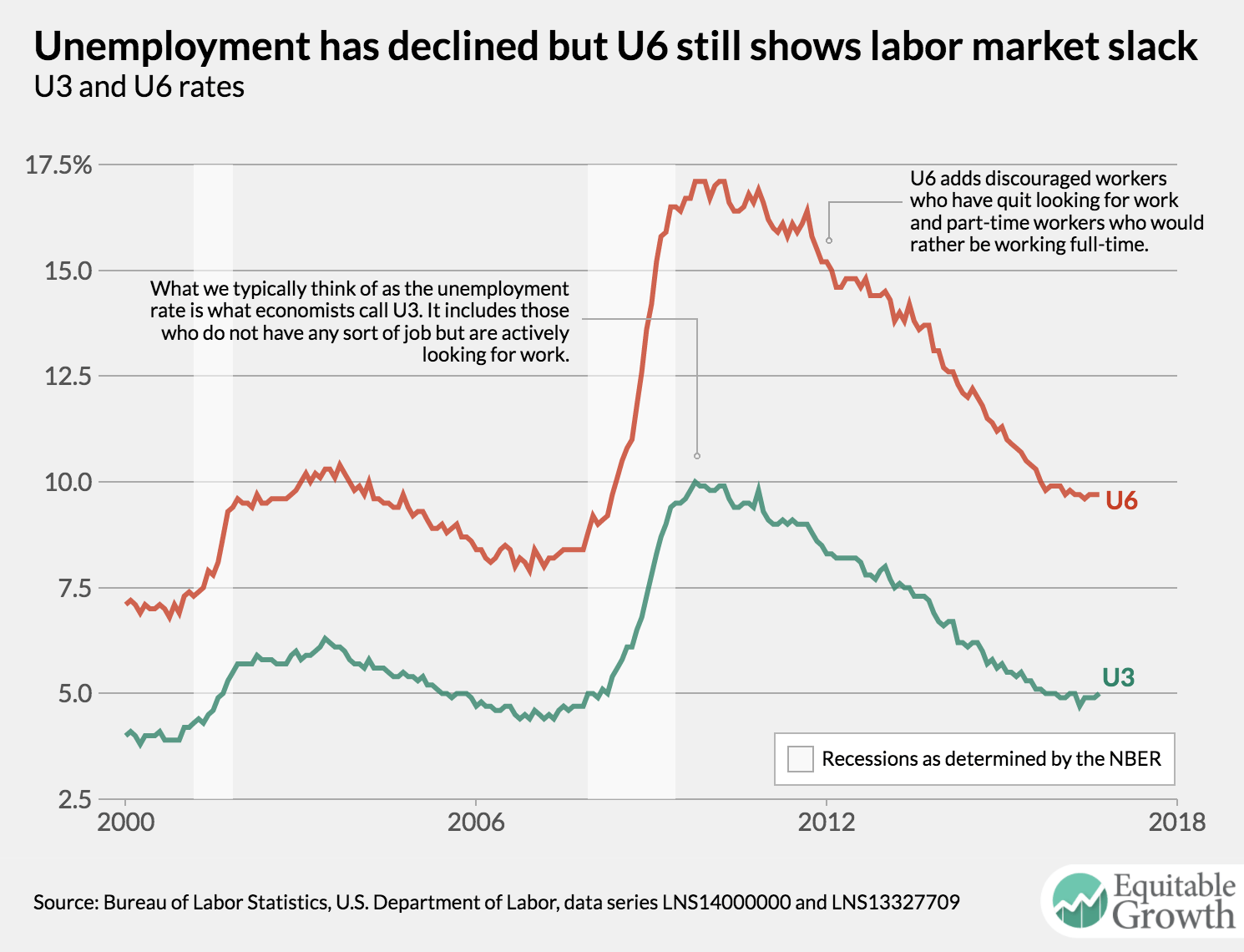
Figure from “Equitable Growth’s Jobs Day Graphs: September 2016 Report Edition (opens in a new tab)” by Equitable Growth Staff
Essays SEP 8, 2026
By: Alexander Bick, Adam Blandin, David Deming, Tyler Schumacher

Essays SEP 2, 2026
By: Megan Rivera

Essays AUG 31, 2026
By: Christopher Bangert-Drowns
Get updates on our latest research, event announcements, and policy insights delivered straight to your inbox. Stay connected with the leading voices on equitable growth.


