


Resources
From peer-reviewed research to accessible policy briefs, explore the scholarship that’s shaping debates and driving change.

22 Results

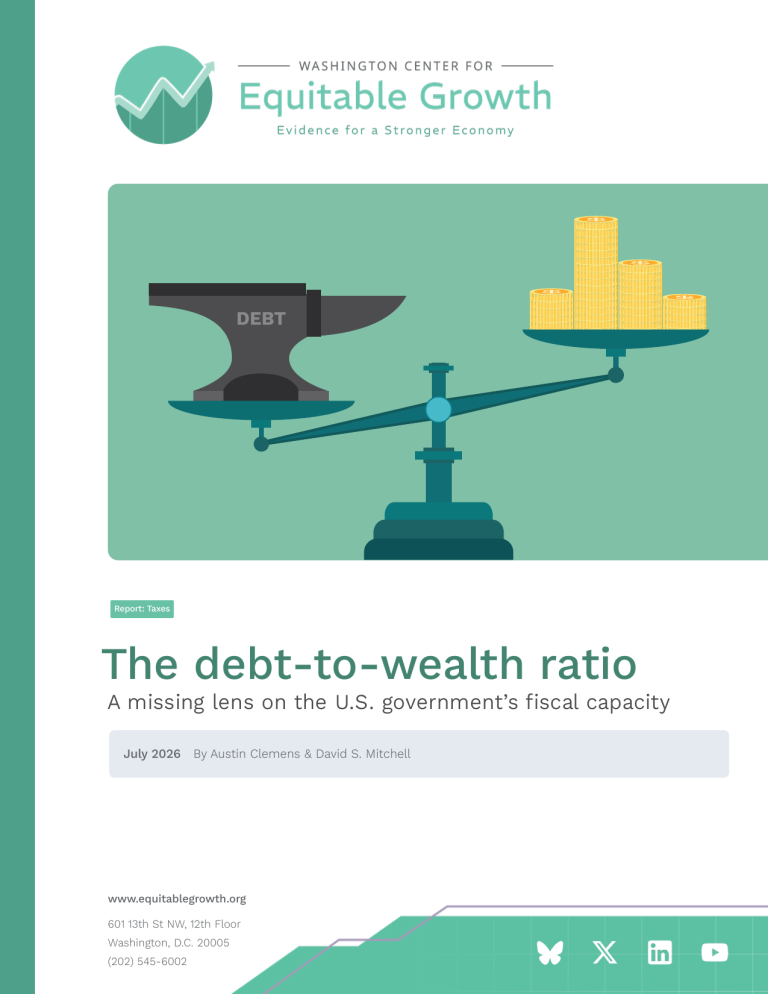
The debt-to-wealth ratio: A missing lens on the U.S. government’s fiscal capacity (opens in a new tab)
Reports JUL 30, 2026
Few statistics shape the fiscal debate in the United States as powerfully as the ratio of federal debt-to-Gross Domestic Product. Debt held by the public recently surpassed 100 percent of…
By: Austin Clemens (opens in a new tab), David S. Mitchell (opens in a new tab)
Defining top wealth and income thresholds for U.S. tax policy design and analysis (opens in a new tab)
Reports MAY 27, 2026
Wealth and income inequality are an ongoing area of interest for policymakers. In particular, the rise of the richest of the rich—not just the top 1 percent, but also the…
By: Austin Clemens (opens in a new tab)
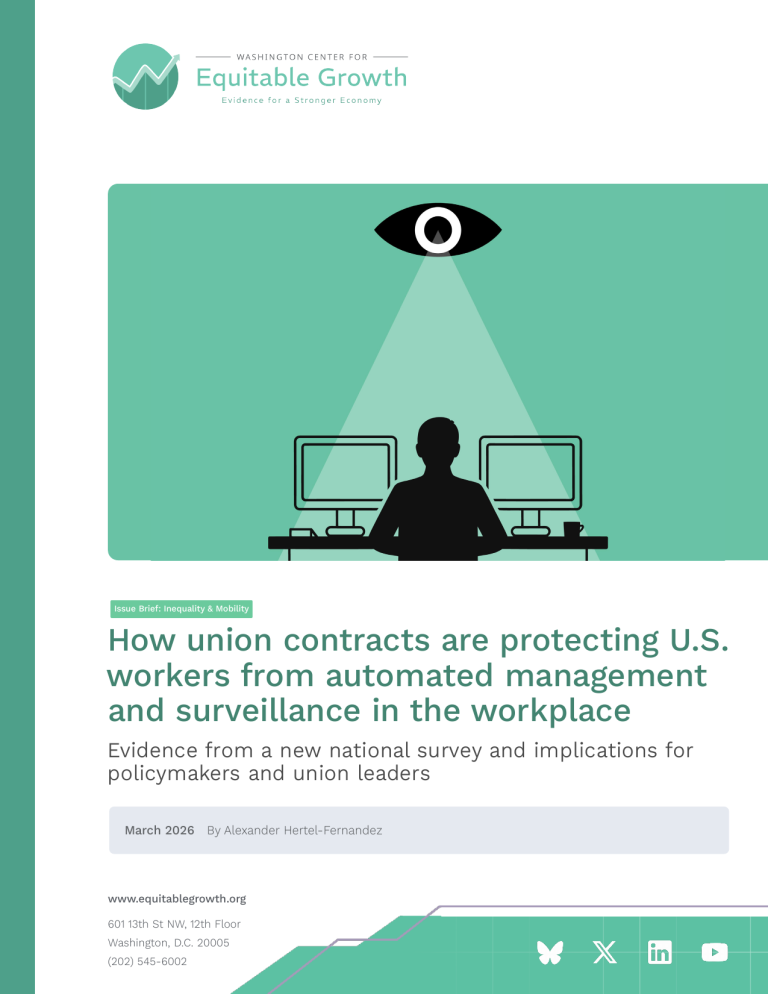
How union contracts are protecting U.S. workers from automated management and surveillance in the workplace (opens in a new tab)
Reports MAR 12, 2026
Employers are increasingly using electronic and automated tools to collect data on their workers on and off the job and then using that data to inform decisions about workers’ pay,…
By: Alexander Hertel-Fernandez (opens in a new tab)
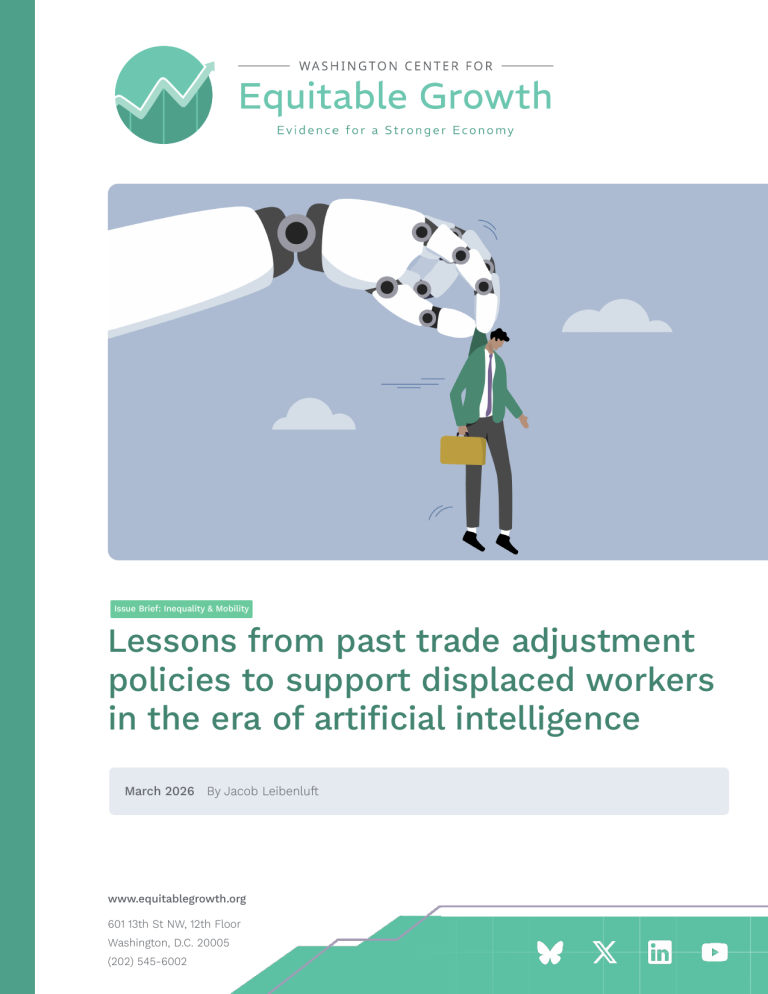
Lessons from past trade adjustment policies to support displaced workers in the era of artificial intelligence (opens in a new tab)
Reports MAR 11, 2026
More than 60 years ago, U.S. policymakers, economists, and labor leaders alike agreed that the potential for new economic forces to strengthen U.S. prosperity and security was just over the…
By: Jacob Leibenluft (opens in a new tab)
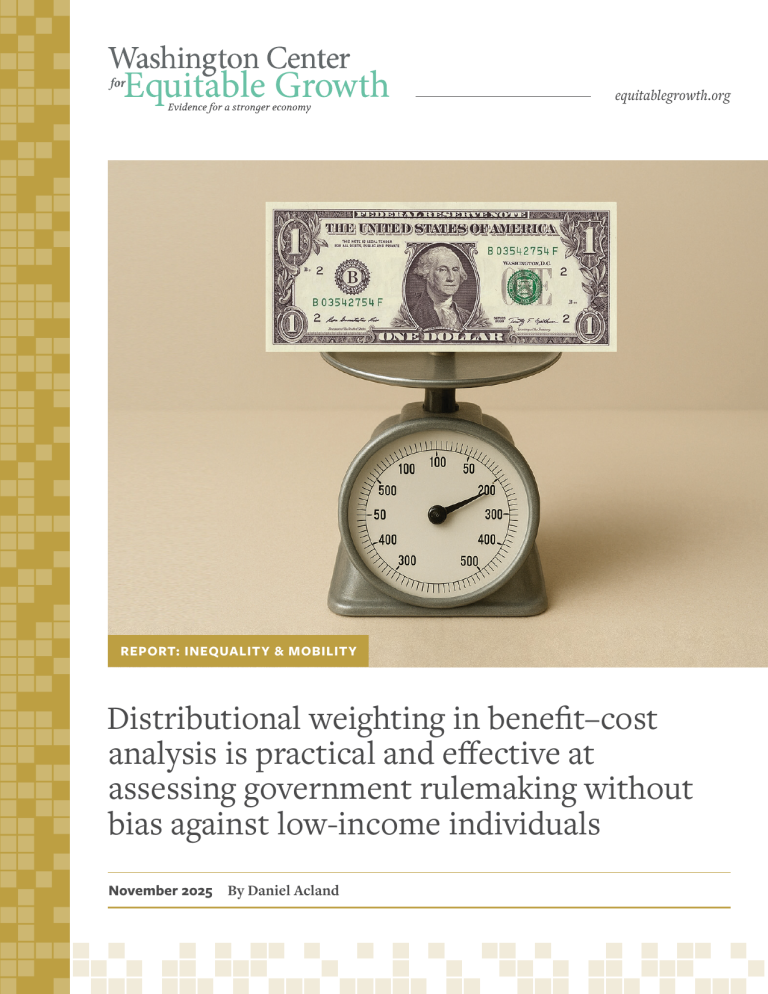
Distributional weighting in benefit-cost analysis is practical and effective at assessing government rulemaking without bias against low-income individuals (opens in a new tab)
Reports NOV 13, 2025
Distributional weighting in benefit-cost analysis is a tool for overcoming bias against lower-income individuals in economists’ measurements of the net benefit of government policies that affect populations at different levels…
By: Daniel Acland (opens in a new tab)

What is austerity, and how does it affect the broader U.S. economy? (opens in a new tab)
Reports AUG 12, 2025
With the passage into law of the Republican budget reconciliation bill last month and the recent work of the Department of Government Efficiency under Elon Musk, austerity is once again…
By: Ernie Tedeschi (opens in a new tab), Kevin Rinz (opens in a new tab)
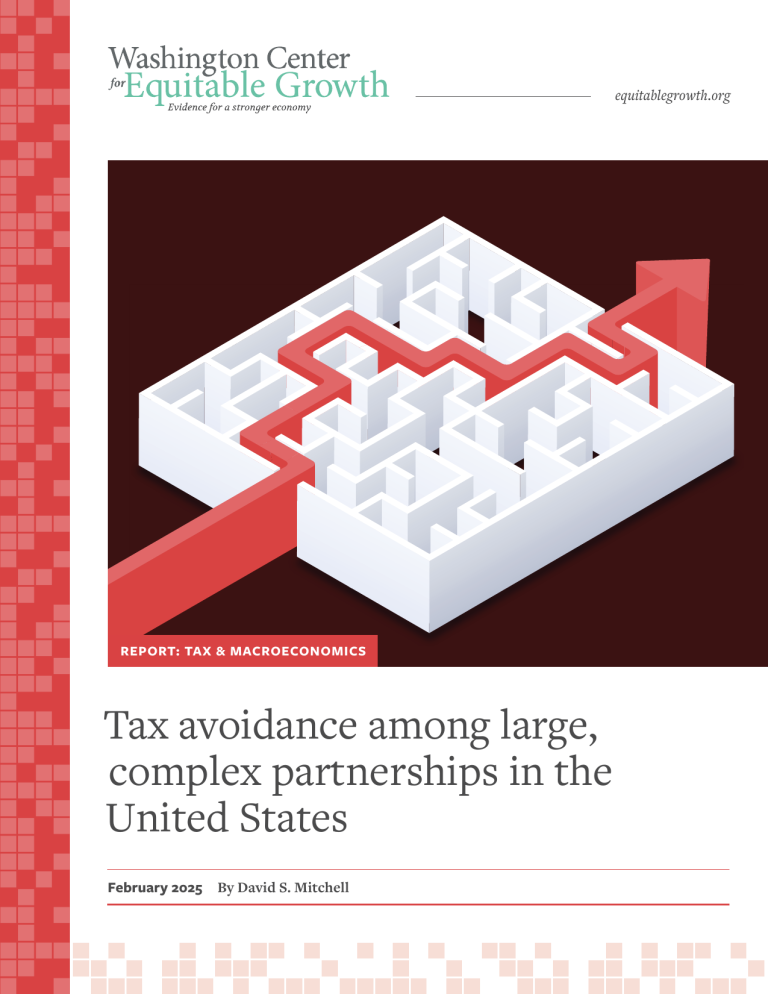
Tax avoidance among large, complex partnerships in the United States (opens in a new tab)
Reports FEB 12, 2025
Decades-old conventional wisdom held that businesses organized as partnerships in the United States were mostly small enterprises with a handful of active individuals sharing personal liability for the businesses they…
By: David S. Mitchell (opens in a new tab)
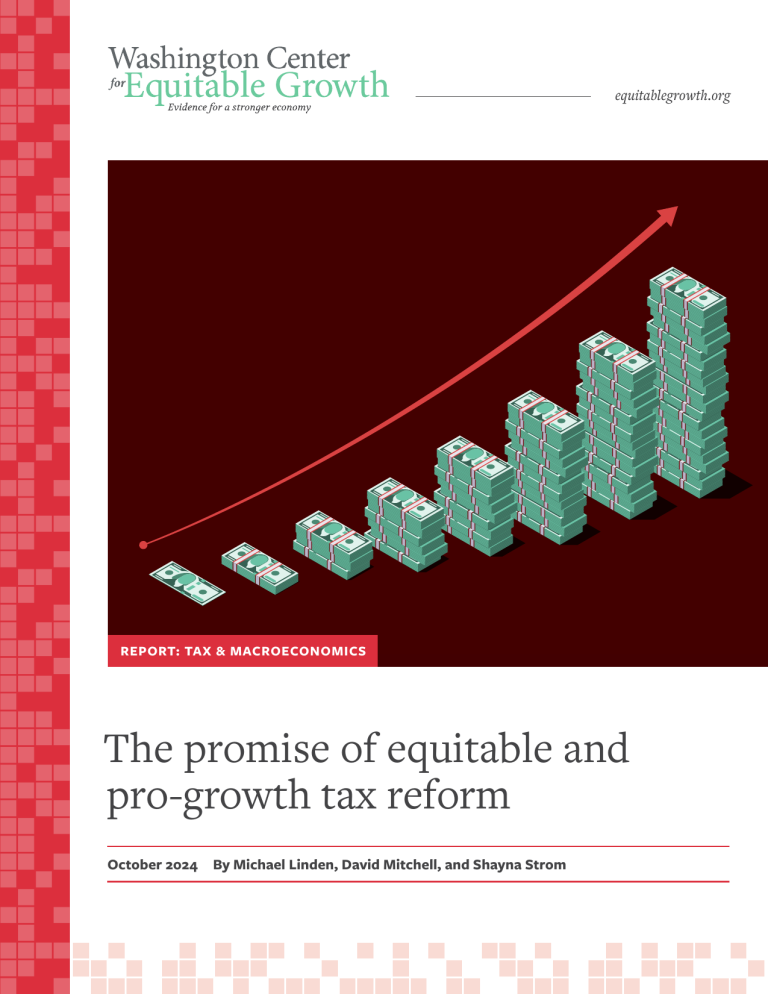
The promise of equitable and pro-growth tax reform (opens in a new tab)
Reports OCT 16, 2024
The impending expiration of large portions of the 2017 Tax Cuts and Jobs Act at the end of 2025 presents federal policymakers with a significant opportunity to reform the federal…
By: Michael Linden (opens in a new tab), David S. Mitchell (opens in a new tab), Shayna Strom (opens in a new tab)
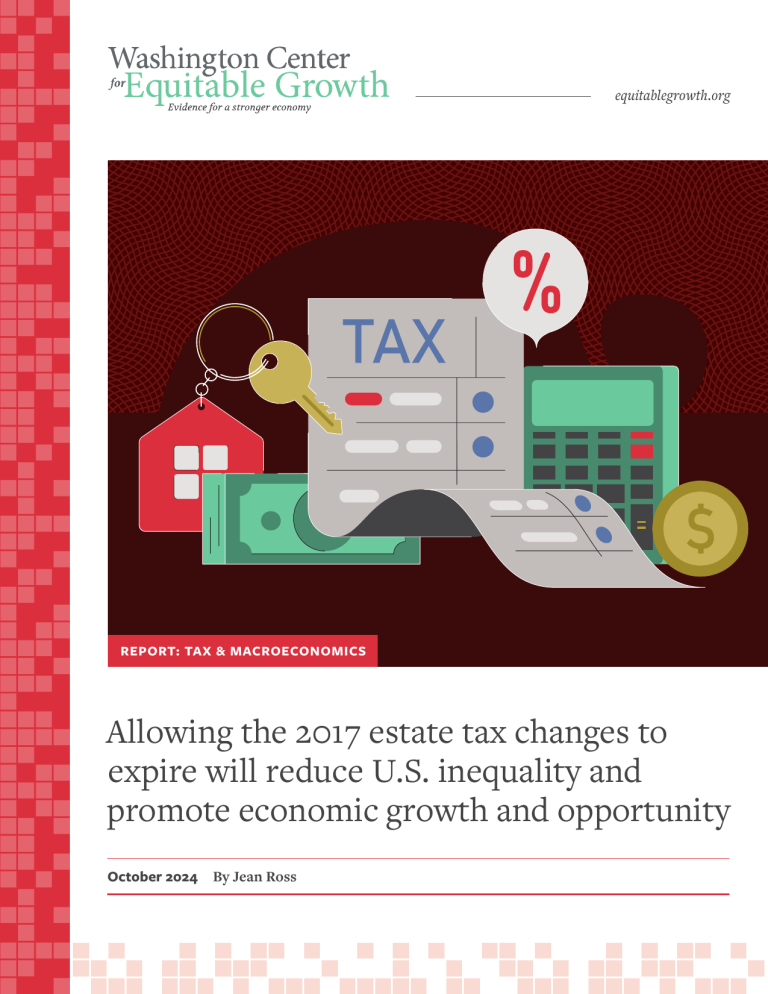
Allowing the 2017 estate tax changes to expire will reduce U.S. inequality and promote economic growth and opportunity (opens in a new tab)
Reports OCT 9, 2024
The 2017 Tax Cuts and Jobs Act made deep cuts to the personal income, estate, and corporate income taxes that were costly and heavily skewed toward the very wealthy. The…
By: Jean Ross (opens in a new tab)
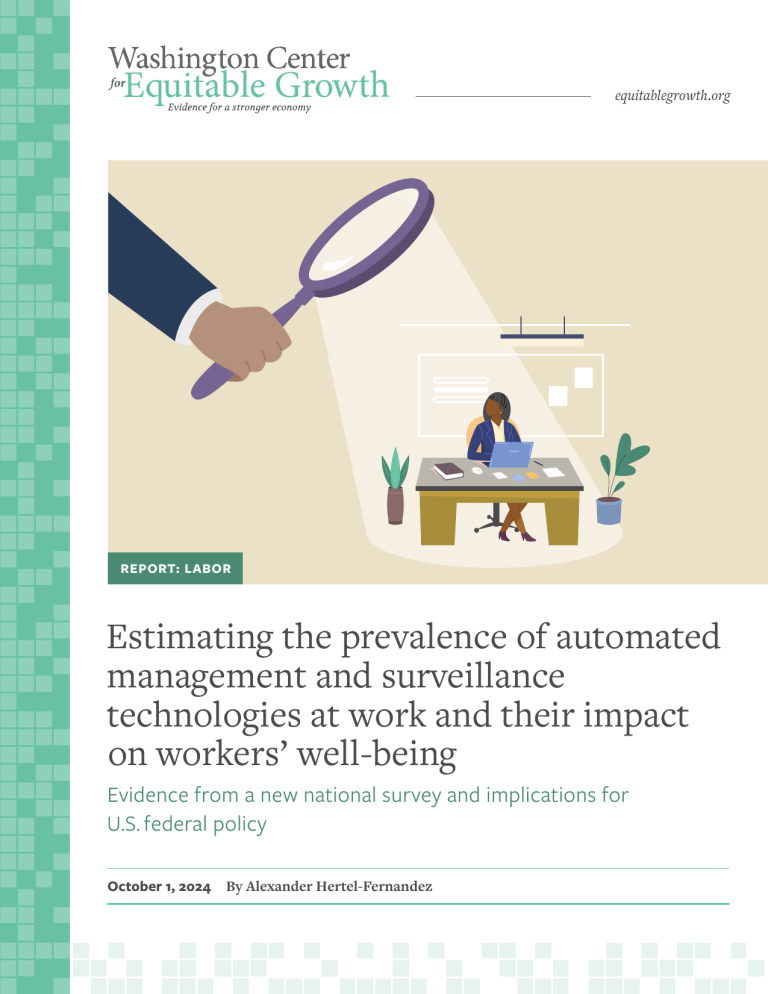
Estimating the prevalence of automated management and surveillance technologies at work and their impact on workers’ well-being (opens in a new tab)
Reports OCT 1, 2024
Evidence from a new national survey and implications for U.S. federal policy U.S. employers are deploying artificial-intelligence-powered and automated tools to monitor and manage workers, including tracking workers’ locations, activities,…
By: Alexander Hertel-Fernandez (opens in a new tab)
U.S. inflationary trends amid the COVID-19 pandemic (opens in a new tab)
Reports DEC 13, 2022
Fast facts The chair of the Federal Reserve, Jerome Powell, and other members of the U.S. central bank’s Federal Open Market Committee, which sets monetary policies, are keenly aware of…
By: Michael Weber (opens in a new tab)
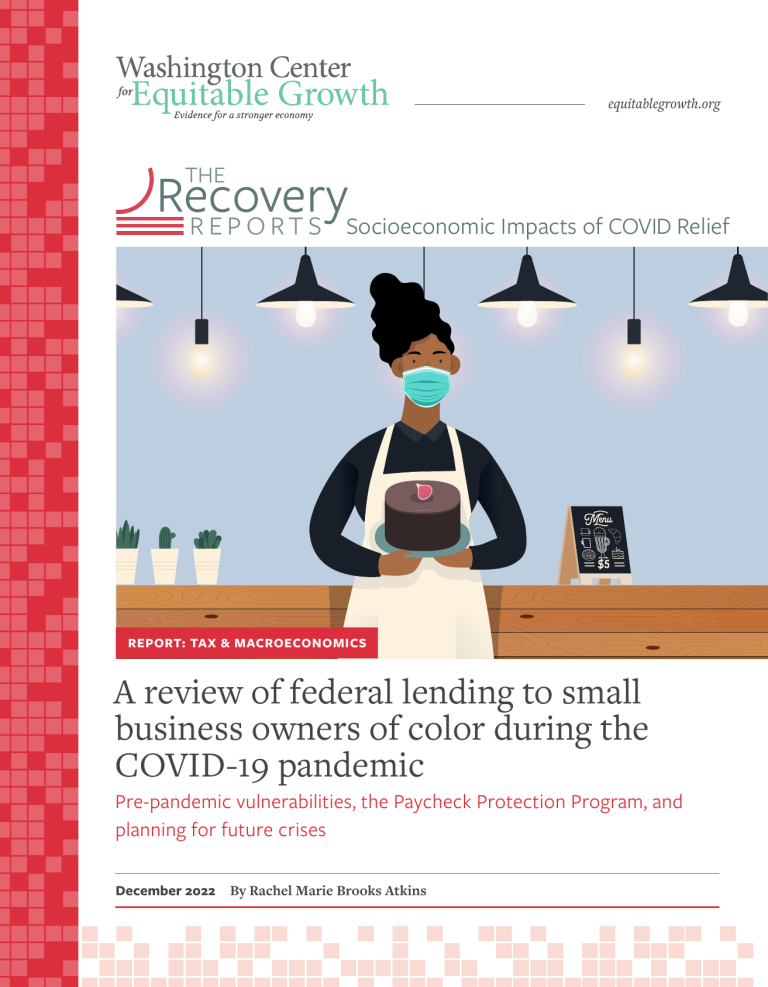
A review of federal lending to small business owners of color during the COVID-19 pandemic (opens in a new tab)
Reports DEC 13, 2022
The COVID-19 pandemic that began in early 2020 hammered small businesses across the globe. The number of active businesses declined precipitously, supply chain interruptions reduced business operations, and global trade…
By: Rachel Marie Brooks Atkins (opens in a new tab)


Your Direct Line to Cutting Edge Research
Be the first to know about our latest events, research releases, and expert insights. Get exclusive updates delivered right to your inbox and never miss an opportunity to engage with our community.