


Resources
From peer-reviewed research to accessible policy briefs, explore the scholarship that’s shaping debates and driving change.

933 Results

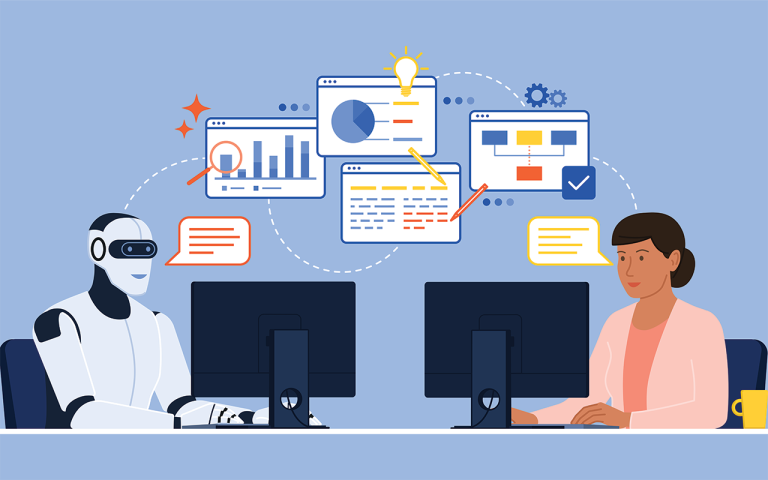
What Work Does Generative AI Do? (opens in a new tab)
Essays SEP 8, 2026
Since August 2024, our Real-Time Population Survey (RPS), a nationally representative survey of U.S. adults ages 18 to 64, has tracked how many Americans use generative artificial intelligence (AI). The adoption…
By: Alexander Bick (opens in a new tab), Adam Blandin (opens in a new tab), David Deming (opens in a new tab), Tyler Schumacher (opens in a new tab)
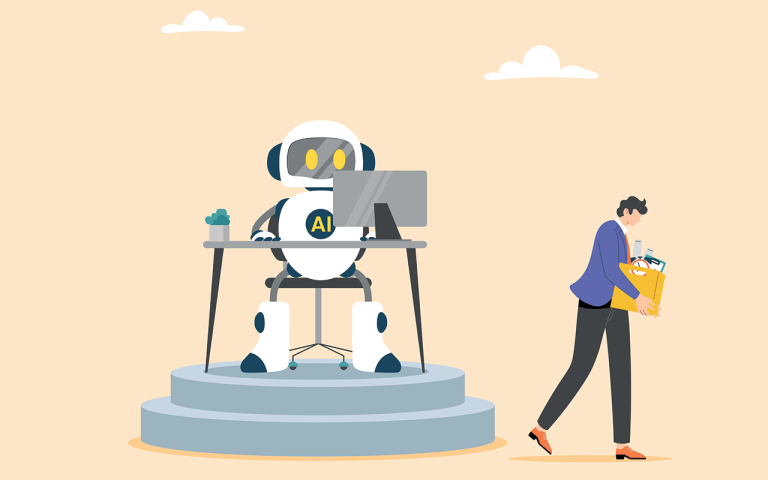
What happens to U.S. workers without access to Unemployment Insurance amid economic downturns or disruptions related to AI? (opens in a new tab)
Essays SEP 2, 2026
The adoption of artificial intelligence in the workplace has led to predictions of U.S. labor market disruptions. In response, policymakers have increased attention on the fitness of the nation’s social…
By: Megan Rivera (opens in a new tab)
Economic research shows immigration is good for U.S. workers, the economy, and affordability (opens in a new tab)
Essays AUG 31, 2026
When President Donald Trump returned to the White House in 2025, mass deportations and immigration restrictions were renewed as one of the political priorities of his second administration. Since then,…
By: Christopher Bangert-Drowns (opens in a new tab)
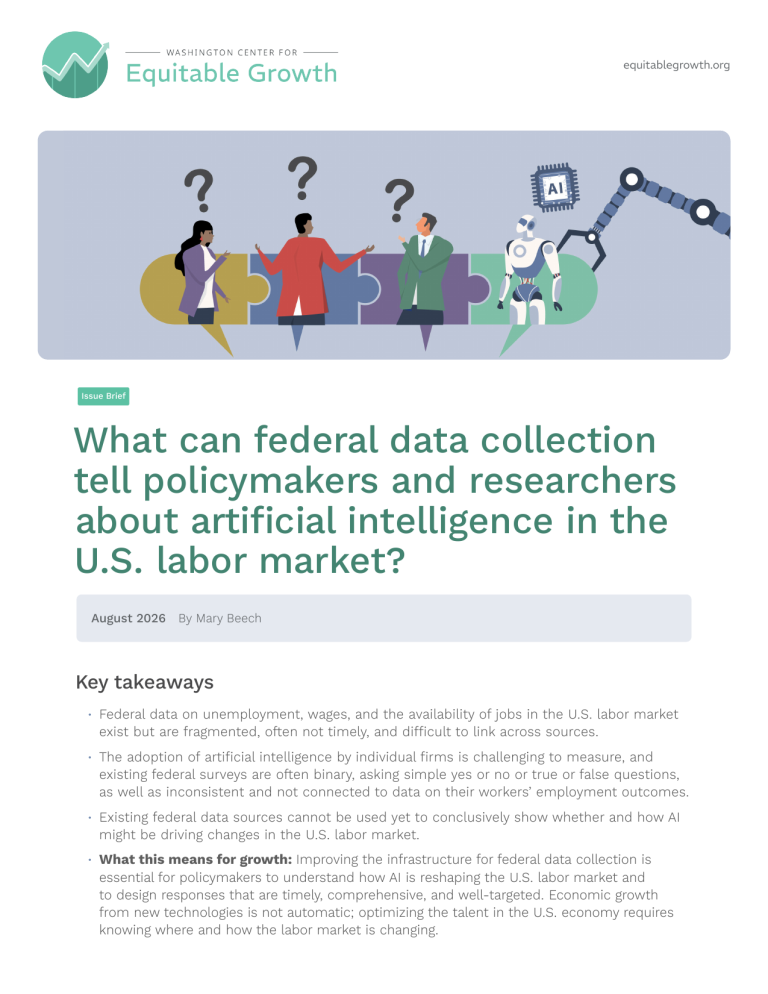
What can federal data collection tell policymakers and researchers about artificial intelligence in the U.S. labor market? (opens in a new tab)
Issue Briefs AUG 24, 2026
It is impossible to perfectly predict how artificial intelligence will affect the U.S. labor market. Policymakers and researchers are grappling with important questions around this topic, including what new opportunities…
By: Mary Beech (opens in a new tab)
Terms and conditions for generative AI users outline a new legal framework that puts U.S. consumers at risk (opens in a new tab)
Essays AUG 20, 2026
Generative AI, or genAI, is a form of artificial intelligence that produces content in response to prompts and includes large language model chatbots such as OpenAI’s ChatGPT or Anthropic’s Claude.…
By: Chiara Chanoi (opens in a new tab)
Estimating AI exposure is useful for research but cannot yet tell policymakers the whole story of AI’s impact on the labor market (opens in a new tab)
Essays AUG 7, 2026
Artificial intelligence has the potential to substantially change the nature and availability of work. To effectively manage the transitions this technology might bring to the U.S. economy, policymakers need information…
By: Chiara Chanoi (opens in a new tab)
Tracking new research on artificial intelligence and its impact on the U.S. labor market (opens in a new tab)
Essays AUG 5, 2026
Headlines often paint extreme and dissonant pictures of the future impact of AI on the U.S. economy and labor market, with workers themselves echoing the conflicting feelings of optimism and…
By: Equitable Growth (opens in a new tab)
Why Unemployment Insurance Alone Is Not Enough in the AI Era (opens in a new tab)
Essays JUL 8, 2026
Since the large language model ChatGPT was rolled out in November 2022, artificial intelligence has captured the public’s attention and generated myriad debates over the emerging technology’s potential impacts on…
By: Megan Rivera (opens in a new tab)

Personal Income in the United States nudges up in May but is down 0.76 percent in the past 6 months (opens in a new tab)
Essays JUN 25, 2026
According to today’s release of Personal Income estimates from the U.S. Bureau of Economic Analysis, U.S. household incomes have fallen 0.76 percent in the past 6 months, with month-to-month declines…
By: Austin Clemens (opens in a new tab)
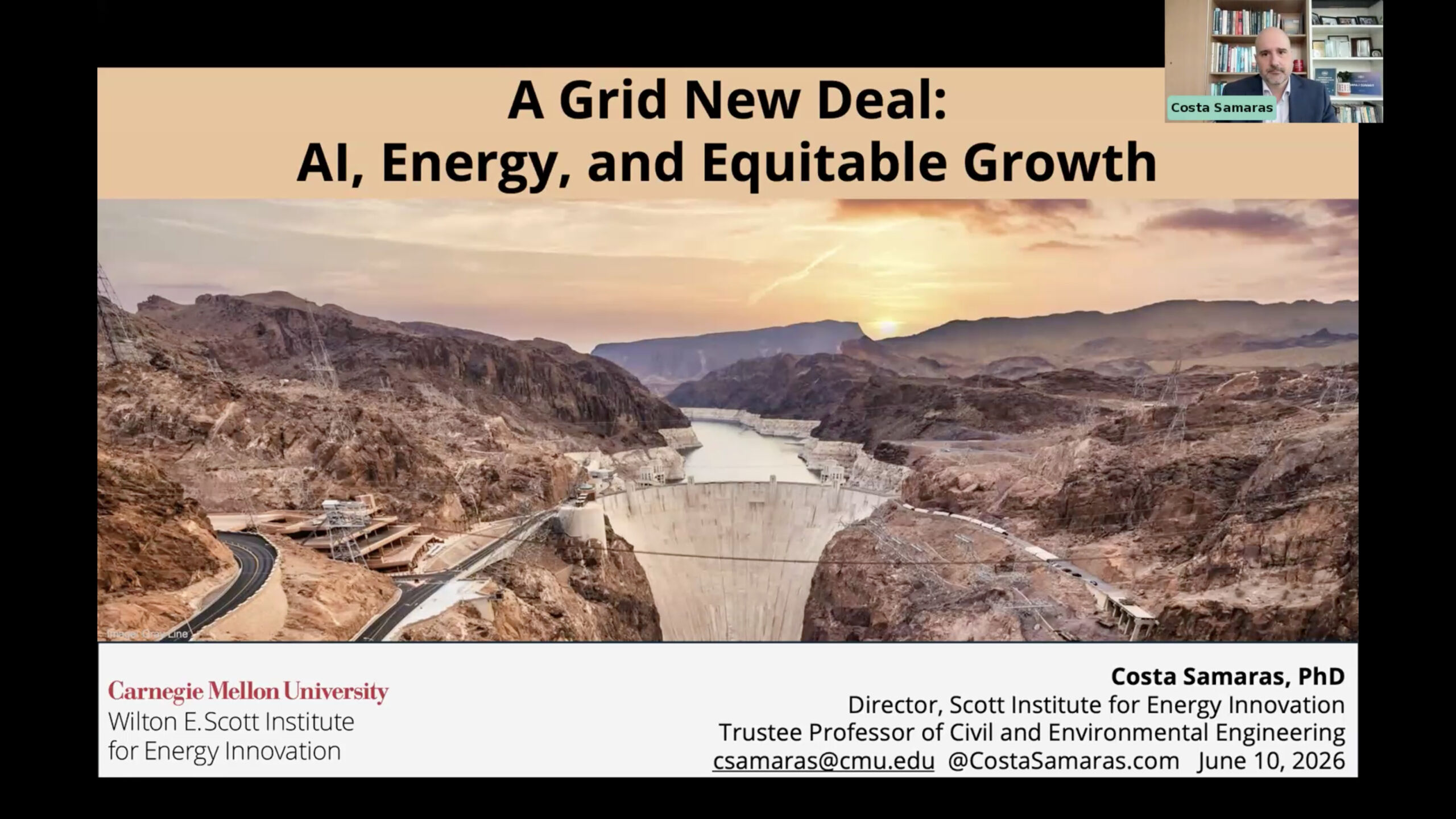
The United States can simultaneously foster an equitable AI boom and a clean energy economy (opens in a new tab)
Videos JUN 12, 2026
The Washington Center for Equitable Growth recently hosted a timely discussion exploring how the rapid expansion of artificial intelligence is colliding with—and reshaping—the clean energy transition. Bringing together researchers and…
By: Equitable Growth (opens in a new tab)

U.S. workers need sectoral bargaining now more than ever (opens in a new tab)
Essays JUN 4, 2026
U.S. union membership and coverage rates have declined for decades, fueled in part by legal barriers to new organizing, including the limiting of collective bargaining to specific workplaces or employers and misclassifying certain groups of workers so they…
By: Christopher Bangert-Drowns (opens in a new tab)

In Conversation with Costa Samaras (opens in a new tab)
In Conversation JUN 2, 2026
Equitable Growth in Conversation is a recurring series where we talk with economists and other academics to help us better understand whether and how economic inequality affects economic growth and…
By: Shayna Strom (opens in a new tab)


Your Direct Line to Cutting Edge Research
Be the first to know about our latest events, research releases, and expert insights. Get exclusive updates delivered right to your inbox and never miss an opportunity to engage with our community.