Skip to content

Impact

Our work connects economic evidence to policy decisions that shape people’s lives. We support scholars, translate data, and help research reach policymakers, media, and the public.

Get Involved

If you’re interested in supporting this work or partnering with Equitable Growth, we’d like to hear from you. Email us at info@equitablegrowth.org (opens in a new tab).

A Decade of Equitable Growth

For more than 10 years, the Washington Center for Equitable Growth has connected economic evidence and policy to promote shared prosperity and growth. Take a look at the impact we have made throughout the years to drive strong, stable, and broadly shared economic growth.

Early Years

5 milestones

2015

3 milestones

2016

7 milestones

2017

5 milestones

2018

3 milestones

2019

5 milestones

2020

5 milestones

2021

6 milestones

2022

6 milestones

2023

7 milestones

2024

7 milestones

2025

5 milestones

Equitable Growth Officially Launches

Equitable Growth’s launch event (opens in a new tab) in 2013 fulfilled the vision of the first funders of Equitable Growth, Herb and Marion Sandler and their Sandler Foundation, to create a new think tank dedicated to “compelling and growing evidence [that] supports equality of opportunity, economic security, and broader participation as central to delivering stronger and more sustainable economic growth” (as Herb Sandler explains in a 2018 oral history series (opens in a new tab), beginning on page 414).

Funded Research Early Years

Co-founders and Steering Committee Envision Grant Program

Equitable Growth co-founders Heather Boushey (opens in a new tab) and John Podesta (opens in a new tab) and Equitable Growth’s first Steering Committee (opens in a new tab) members—among them Nobel Prize-winning economist Robert Solow (opens in a new tab), John Bates Clark award-winning economists Emmanuel Saez (opens in a new tab) and Raj Chetty (opens in a new tab), Obama White House Domestic Policy Council head Melody Barnes (opens in a new tab), and former Federal Reserve Vice Chairman Alan Blinder (opens in a new tab)—set the parameters for the first round of grantmaking in 2014.

Piketty Launches Capital in the 21st Century in Washington

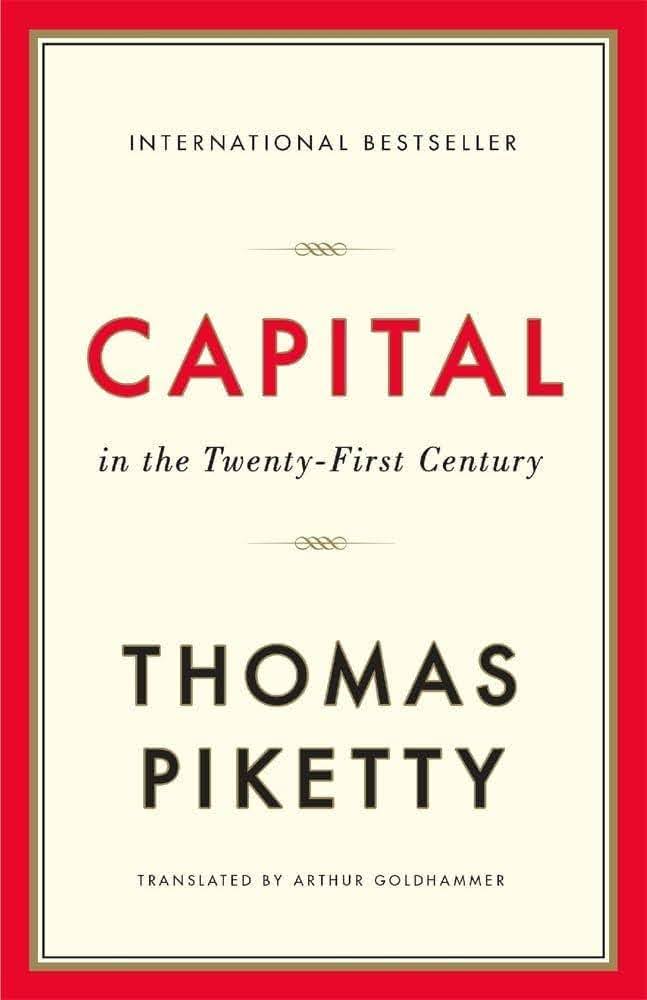
In 2014, Equitable Growth partnered with Thomas Pik (opens in a new tab)etty (opens in a new tab), who wrote the best-selling (opens in a new tab) book Capital in the 21st Century, which documented rising income and wealth inequality around the world, to host a book event (opens in a new tab) featuring then-Executive Director of Equitable Growth Heather Boushey (opens in a new tab) and Nobel laurate Robert Solow (opens in a new tab) alongside Piketty.

Income and Wealth Inequality

Funded Research Early Years

First Round of Grants Awarded to Economic Scholars

Equitable Growth announced (opens in a new tab) its inaugural class of grantees in 2014, awarding more than $500,000 to 15 grantees with the goal of better understanding how human capital, consumer demand, and the role of government and institutions affects economic growth and productivity. The grant program has gone on to issue $12.7 million for more than 300 research projects, supporting more than 400 scholars.

Funded Research Policy Win Early Years

2014 Grant Lays Groundwork for Fair Workweek Laws

In 2014, University of California, Hastings researcher Joan Williams (opens in a new tab) and her collaborators received the first of her three Equitable Growth grants, which investigated the importance of stable and predictable work schedules for improved worker and family health, productivity, and company profits. This research created the evidence base for Fair Workweek (opens in a new tab) laws that were eventually passed in at least 10 municipalities and 1 state (and have been introduced federally for 10 years running).

Schedule Stability

At the 2015 American Economic Association’s prestigious annual meeting (opens in a new tab), then-Executive Director of Equitable Growth Heather Boushey (opens in a new tab) moderated a panel discussion on income and wealth inequality in the United States with Richard V. Burkhauser, Amir Sufi (opens in a new tab), Edward Nathan Wolff, Gabriel Zucman (opens in a new tab), and David Jo (opens in a new tab)hnson (opens in a new tab). This prominent discussion of inequality helped to push the economics profession to focus more on measuring and understanding inequality and its effects.

Income and Wealth Inequality

First Report on Early Childhood Education Published

Equitable Growth’s first major report (opens in a new tab) documented how investing in early childhood education results in greater economic growth and productivity in the future. Authors Robert Lynch (opens in a new tab) and Kavya (opens in a new tab)Vaghul (opens in a new tab) highlighted the long-term impact of public investments in pre-Kindergarten, using a seminal budget model that estimated the costs and benefits of a universal pre-K program from 2016 through 2050. Their work has been cited multiple times since publication, including by the National Institutes of Health and in the journal Nature.

Family Economic Security

Events Funded Research 2015

Gabriel Zucman Offers Vision for Tax Haven Reform

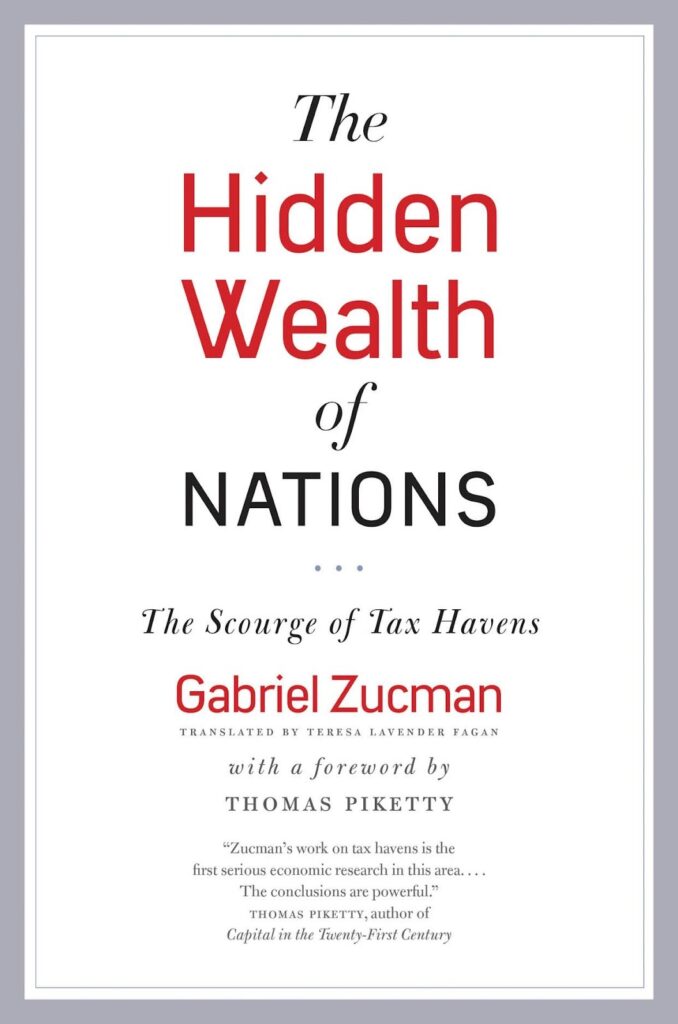
At an Equitable Growth event in September 2015, influential economist, Equitable Growth grantee (opens in a new tab), (opens in a new tab) and future John Bates Clark award winner Gabriel Zucman (opens in a new tab) presented (opens in a new tab) findings from his book, The Hidden Wealth of Nations: The Scourge of Tax Havens. Research from the book showed just how dangerous tax havens were to the world economy and offered ideas for how countries could begin to reform.

Taxation

Funded Research Steering Committee 2016

First Grantee Conference Highlights Groundbreaking Research

After three rounds of grantmaking, Equitable Growth convened grantees and Steering Committee members to discuss advances in research on economic inequality and growth. Steering Committee member Raj Chetty (opens in a new tab) presented, for the first time, what was then forthcoming research (opens in a new tab) on the decline in absolute mobility in the United States—research with cutting-edge new methods and findings that have since spurred a rich literature on why upward economic mobility has been falling and what that means for well-being and economic dynamism.

Income and Wealth Inequality

Funded Research Policy Win Publications 2016

Working Paper Series on Inequality and Growth Launches

In a seminal moment for Equitable Growth, the Working Paper Series (opens in a new tab), a collection of original research by grantees and other scholars on economic inequality and growth, launched in 2016. The series, still followed by the academic and policymaking communities, includes influential papers such as “Closing the Innovation Gap in Pink and Black (opens in a new tab)” by former Equitable Growth Steering Committee member and current governor of the Federal Reserve Board Lisa Cook (opens in a new tab) and “Employment hysteresis from the great recession (opens in a new tab)” by Equitable Growth grantee Danny Yagan (opens in a new tab), who went on to serve as chief economist of the White House Office of Management and Budget in the Biden administration and whose research on the Great Recession of 2007–2009 shaped the fiscal response to the COVID-19 recession.

COVID Recovery

Distributional National Accounts Research Lays Groundwork for GDP 2.0

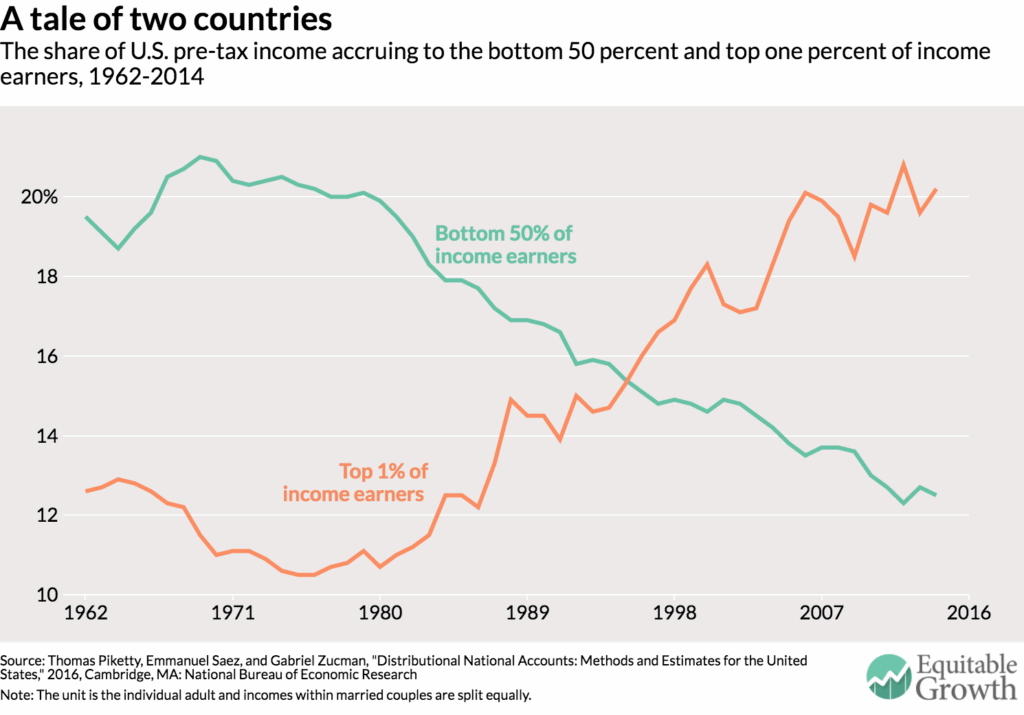
Economists Thomas Piketty (opens in a new tab), Emmanuel Saez (opens in a new tab), and future John Bates Clark award winner Gabriel Zucman (opens in a new tab) published original research (opens in a new tab) and an accompanying policy brief (opens in a new tab) for Equitable Growth that developed inequality statistics for the United States through the creation of “distributional national accounts”—combining tax, survey, and national accounts data to build a new series on the distribution of national income. This work paved the way for what would later become known as GDP 2.0 (opens in a new tab).

GDP 2.0 Income and Wealth Inequality

Media Mentions Publications 2016

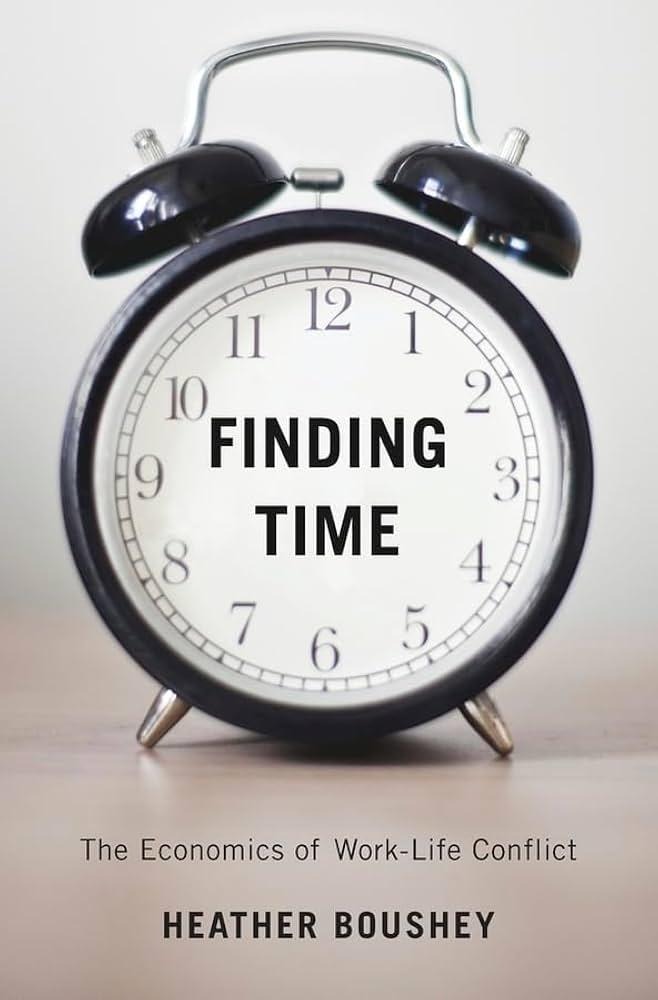
Finding Time: The Economics of Work-Life Conflict Comes Out

Then-Executive Director of Equitable Growth Heather Boushey (opens in a new tab)‘s book, Finding Time: The Economics of Work-Life Conflict (opens in a new tab), was released in 2016, putting Equitable Growth on the policy map with its research and analysis that made the case for resolving work-life conflicts to help not only workers and families, but also the broader economy. The book received attention from numerous media outlets, including The New York Times (opens in a new tab), Financial Times (opens in a new tab), The Wall Street Journal (opens in a new tab), Vox (opens in a new tab), and Vogue (opens in a new tab).

Family Economic Security Racial and Gender Inequality

Funded Research Publications 2016

Equitable Growth Looks to Inform Next Administration’s Agenda

In the run-up to the 2016 presidential election, the organization published its first policy recommendations (opens in a new tab) for the next presidential administration. The report featured 14 essays from various grantees and scholars, including David Autor (opens in a new tab), Alan Blinder (opens in a new tab), and Abigail Wozniak (opens in a new tab), on issues affecting families, businesses, communities, and markets in the United States. In addition, then-Executive Director of Equitable Growth Heather Boushey (opens in a new tab) joined former Secretary of State Hillary Clinton’s presidential transition team as its chief economist.

Presidential Elections

Policy Innovation Policy Win Publications 2016

Groundbreaking Research on Household Economic Well-Being Leads to Policy Innovation

Alexandra Stanczyk, then a researcher at the University of California, Berkeley, published a working paper (opens in a new tab) with Equitable Growth, which, for the first time, used descriptive evidence to document month-to-month changes in household economic well-being in the year directly preceding and then after a baby is born. This research was instrumental in getting the Administration for Children and Families to make its historic approval to use Temporary Assistance for Needy Families funds to support RxKids (opens in a new tab), a Michigan program that provides pregnant mothers stipends to improve maternal and infant outcomes.

Family Economic Security

Two Influential Tax Reports on Taxing Capital and Profit Shifting are Released

Equitable Growth’s tax expertise deepened with the release of two major reports in 2016, the first (opens in a new tab) of which was written by economist Kimberly Clausing (opens in a new tab) and showed that profit shifting by multinational corporations reduced U.S. tax revenues by more than $100 billion a year. Clausing went on to serve in the Biden administration at the U.S. Treasury Department. The second (opens in a new tab) report, written by Obama and Biden administration alumnus David Kamin (opens in a new tab), showed that taxing capital could help ensure strong and sustainable economic growth.

Taxation

Funded Research Publications 2017

Pioneering Minimum Wage Research Debunks Conventional Thinking

Equitable Growth grantee Arin Dube (opens in a new tab)’s working paper (opens in a new tab) and research brief (opens in a new tab) showed that raising the minimum wage lifts U.S. families at the bottom of the income distribution out of poverty. His innovative research served as critical evidence that rebutted the often-cited trade-off between raising the minimum wage and higher unemployment among low-income workers.

Labor Economics

Policy Innovation Publications 2017

Paper Quantifies Cuts to Social Insurance Programs and Their Effect on Housing Insecurity

Researcher Robynn Cox (opens in a new tab) and her co-authors created a roadmap (opens in a new tab) to a unified measure of housing security in the United States. They found multiple existing definitions for housing insecurity and argued for a consistent definition to accurately measure the problem. Their work (opens in a new tab) for Equitable Growth gave policymakers the means to assess how proposed cuts to social insurance programs contribute to housing insecurity and homelessness.

Policy Innovation Policy Win Publications 2017

Racial Health Disparities Widen Even at Higher Income Levels

Equitable Growth grantee Darrick Hamilton (opens in a new tab) documented (opens in a new tab) how racial health disparities in the United States widen even among high-income Black Americans due to stigma, stress, and racism, beginning with higher infant mortality rates and persisting through adulthood. These findings (opens in a new tab) went on to inform policy responses to the COVID-19 pandemic.

COVID Recovery Racial and Gender Inequality

Grant Awarded to Better Understand Labor Representation

The fourth round of Equitable Growth grantmaking raised the total amount awarded (opens in a new tab) to nearly $3 million, including an important study (opens in a new tab) co-funded with the Russell Sage Foundation that surveyed employers and workers to better understand which aspects of labor organization they preferred. The grant was awarded to Alexander Hertel-Fernandez (opens in a new tab), who went on to serve in multiple roles in the Biden administration and as a visiting fellow with Equitable Growth.

Labor Economics

Events Steering Committee 2017

Research on Tap Event Series Debuts

Equitable Growth’s popular event series, Research on Tap, launched in 2017, with the first installment (opens in a new tab) on promoting equitable growth through tax reform. Speakers included economist and Steering Committee member Jason Furman (opens in a new tab) and fellow economist Melissa Kearney, who warned against what would later become the Tax Cuts and Jobs Act of 2017.

Taxation

Funded Research Policy Win Publications 2018

Paid Leave Research Agenda Fuels In-Depth Research

An in-depth Equitable Growth report (opens in a new tab) on paid family and medical leave drew on research to outline a policy agenda for both the state and federal levels. This report led to a number of future grants on paid leave to fill gaps in understanding, including an entire Request for Proposals (opens in a new tab) that came out the following year. At the time, eight states and the District of Columbia had paid family leave policies in place. This line of research supported efforts in other states, with four additional states adopting paid family leave programs since then.

Family Economic Security

Policy Innovation Publications 2018

Report Advocates for New Measure of U.S. Economic Growth

In one of the most widely read reports (opens in a new tab) ever produced by Equitable Growth, Heather Boushey (opens in a new tab) and Austin Clemens (opens in a new tab) measured who prospers when the U.S. economy grows, finding it is mainly the top 1 percent. They argued for a new measure of how economic growth is distributed, paving the way for what would later become GDP 2.0 (opens in a new tab). The organization also lauded (opens in a new tab) a bill introduced in Congress that year, which drew in part from policy recommendations in the report.

GDP 2.0 Income and Wealth Inequality

Events Publications 2018

New Vision for Antitrust Enforcement Kicks Off

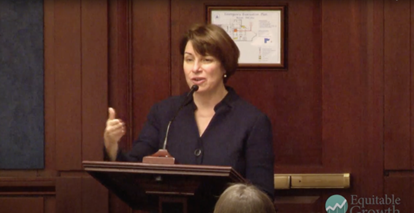
At an event (opens in a new tab) on Capitol Hill, Equitable Growth brought together policymakers, including Sen. Amy Klobuchar (D-MN), academics, and others to discuss building a new consensus on antitrust reform. That work was spearheaded by then-Director of Competition Policy at Equitable Growth Michael Kades (opens in a new tab), who went on to write the Biden administration’s antitrust reform plan (opens in a new tab) while serving in the U.S. Department of Justice.

Competition

Media Mentions Publications 2019

Unbound Brings Together Years of Research on Inequality and Growth

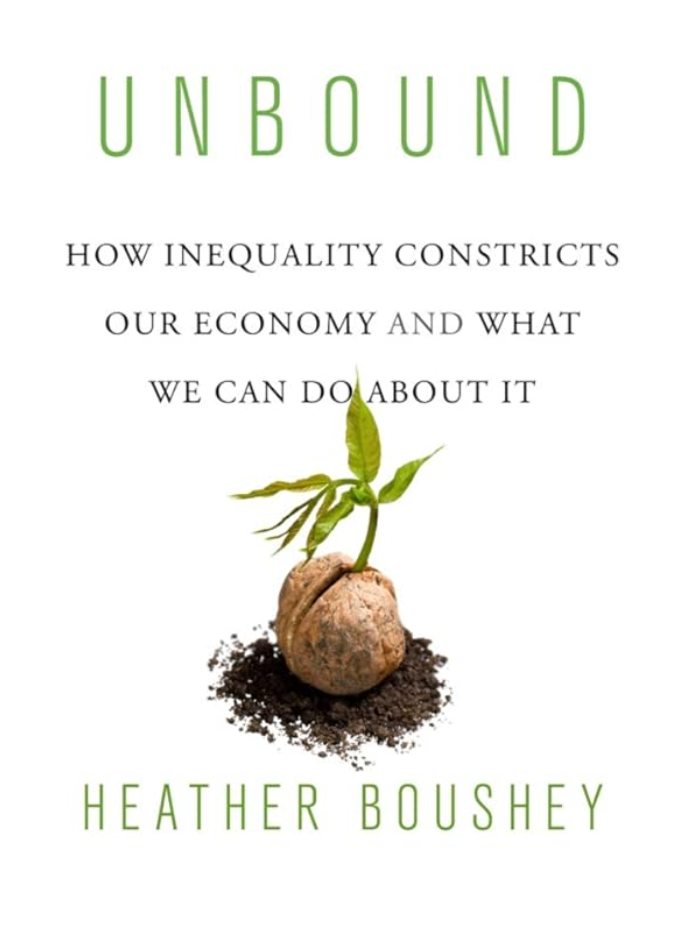
Former Equitable Growth President and CEO Heather Boushey (opens in a new tab) released her second book (opens in a new tab), Unbound: How Inequality Constricts Our Economy and What We Can Do About It, drawing heavily on research the organization funded since its inception. The book received notable attention, leading to two congressional (opens in a new tab) hearings (opens in a new tab); positive reviews from The New Yorker (opens in a new tab), The Economist (opens in a new tab), and The Financial Times (opens in a new tab); and an op-ed in The New York Times (opens in a new tab).

Income and Wealth Inequality

Media Mentions Publications 2019

New Research Garners Attention on Harsh Realities of Unstable Work Schedules

In partnership with the Shift Project, now at Harvard but at the time at the University of California, Berkeley, Equitable Growth released five working papers and a series of charts (opens in a new tab) aimed at federal, state, and local policymakers highlighting the harsh reality of unstable work schedules (opens in a new tab) on workers and families. The research, which found that women and people of color were hardest hit by these “just-in-time” schedules, led to coverage in The New York Times (opens in a new tab) and helped bolster the case for Fair Workweek laws, which have since been enacted in 10 cities and the state of Oregon.

Schedule Stability

Funded Research Policy Innovation Policy Win Publications 2019

Recession Ready Debuts Less Than a Year Before the COVID-19 Pandemic

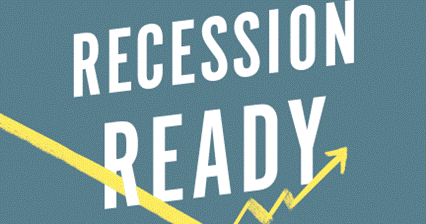
In partnership with the Hamilton Project, Equitable Growth released Recession Ready: Fiscal Policies to Stabilize the American Economy (opens in a new tab) less than a year before the next recession, brought on by the COVID-19 pandemic. Recession Ready advanced evidence-based policy ideas for shortening and easing impacts of the next recession, many of which were employed the following year, including direct stimulus payments. That helped lay the groundwork for a future Request for Proposals (opens in a new tab) solely focused on the 2020 recession and lessons learned.

Funded Research Publications Video 2019

Vision 2020 Lays out Economic Policy Agenda for Next Administration

In late 2019, Equitable Growth’s Vision 2020 conference (opens in a new tab) brought together policymakers, advocates, journalists, and other thought leaders to discuss how the next administration could reverse decades of inequality to deliver strong, stable, and broad-based U.S. economic growth. At that event, it was announced that a forthcoming book (opens in a new tab) of essays, many of which were written by Equitable Growth grantees, would be released the following year, with the goal of shaping the 2020 presidential policy platforms.

Presidential Elections

Policy Innovation Publications 2019

Tax Report Presents New Idea for How to Tax Wealth in America

Former Equitable Growth Chief Economist Greg Leiserson (opens in a new tab) and his co-authors unveiled a new idea for taxing wealth in a report (opens in a new tab) on net worth taxation. They lay out how a wealth tax could raise substantial revenue while shoring up weaknesses in the U.S. tax system. That work would go on to inform later policy ideas, such as the Billionaire’s Income Tax proposal first introduced by Sen. Ron Wyden (D-OR) in 2021 and later proposed by the Biden administration.

Taxation

Policy Innovation Publications 2020

Equitable Recovery Resource Hub Launches in Response to COVID-19 Pandemic

Shortly after the COVID-19 pandemic and associated recession began, the Equitable Growth website began housing actionable resources and ideas (opens in a new tab) geared toward policymakers to help build a more equitable economy. Using new and existing research, the resource provided a framework for how the federal government could better support workers and families. Many of these ideas would go on to inform policies developed by the Biden administration.

COVID Recovery Presidential Elections

Policy Innovation Policy Win 2020

Commerce Department Begins to Measure Who Prospers When the Economy Grows

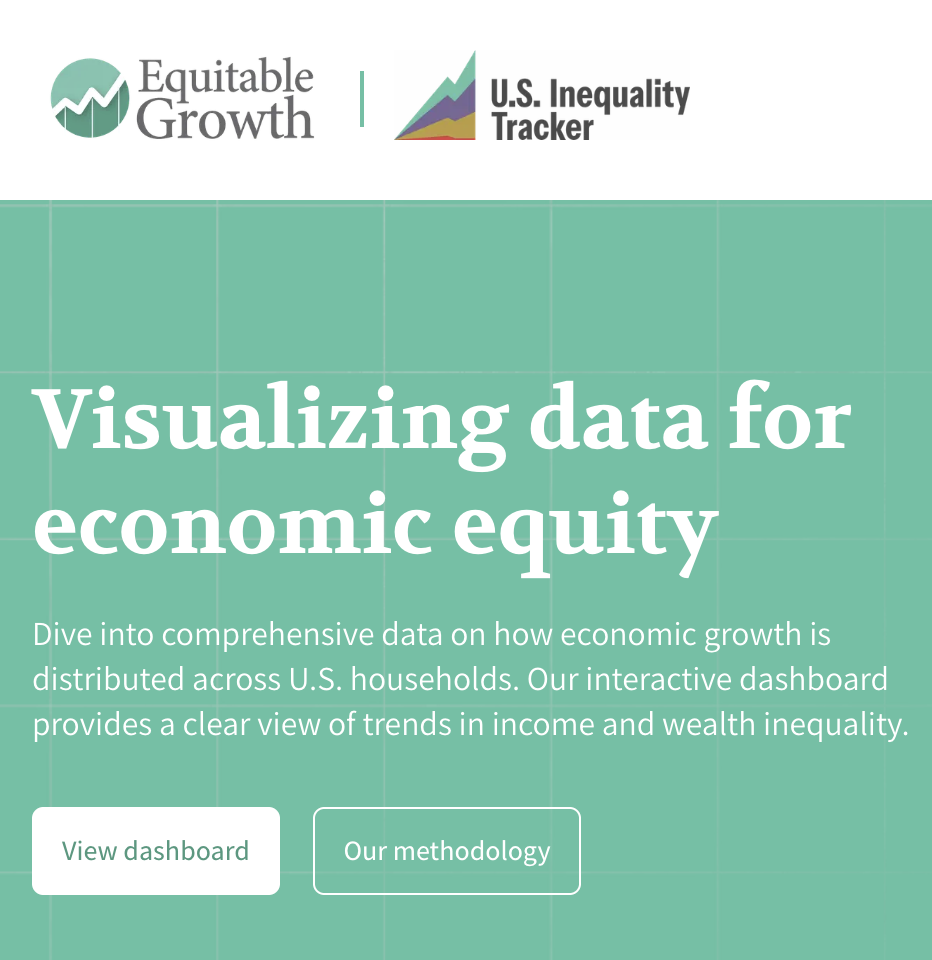
The U.S. Department of Commerce’s Bureau of Economic Analysis released the first-ever federally produced statistics (opens in a new tab) measuring how total U.S. personal income is distributed across people in different income groups. Equitable Growth’s GDP 2.0 project played a key role in advancing this research on the Distributional National Accounts, the dataset now used by the agency and in our U.S. Inequality Tracker (opens in a new tab), an interactive dashboard that shows how economic growth is distributed among U.S. households.

GDP 2.0 Income and Wealth Inequality

Media Mentions Policy Innovation 2020

Equitable Growth CEO Joins Biden Administration as Top Economic Adviser

Former Equitable Growth President and CEO Heather Boushey (opens in a new tab) stepped down (opens in a new tab) in late 2020 to join then-President-elect Joe Biden’s transition team. She later went on to serve as a member of the White House Council of Economic Advisers and chief economist to President Biden’s Invest in America cabinet, where she incorporated Equitable Growth’s research, analysis, and ideas into economic policy. Before that, she was highlighted as being at the forefront of a new generation of economists by The New York Times (opens in a new tab).

Presidential Elections

Events Policy Innovation Video 2020

Event Showcases Policy Agenda for U.S. Antitrust Enforcement

Former Equitable Growth Director of Markets and Competition Michael Kades (opens in a new tab) (later a U.S. Justice Department appointee in the Biden administration) convened (opens in a new tab) antitrust experts, including Fiona Scott Morton, Tim Wu, Marc Lanoue, and others, in late 2019 to outline a path the Biden administration could take to restore competition in the United States. The event accompanied the release of a transition report (opens in a new tab) on antitrust policy and helped shape antitrust reform under President Biden.

Competition Presidential Elections

Events Funded Research Steering Committee Video 2020

Grantee Conference Showcases Research on Inequality and Growth

The grantee conference in late 2020 brought together researchers, policymakers, journalists, and advocates to discuss new bodies of research and help shape the U.S. economic policy agenda. Featured speakers included Rep. Ro Khanna (D-CA) and Steering Committee member Atif Mian (opens in a new tab).

Events Publications Video 2021

Boosting Wages Highlights Labor Policies for New Administration

In a joint effort with the Institute for Research on Labor and Employment at the University of California, Berkeley, Equitable Growth released a series of essays (opens in a new tab) from leading economic thinkers, called Boosting Wages for U.S. Workers in the New Economy. The essays highlighted a number of policy ideas, such as transforming supply chains to create good jobs; investing in social insurance, education, and child care; and reducing regional economic disparities, some of which were taken up by the Biden administration. Rep. Bobby Scott (D-VA) keynoted the accompanying event (opens in a new tab).

Labor Economics Presidential Elections

Policy Innovation Steering Committee 2021

Economists Urge Congress to Make Public Investments to Boost Growth

More than 200 economists signed a joint statement (opens in a new tab) calling on Congress to prioritize “robust and sustained investment in physical and care infrastructure along with science and technology to solve the problems of the 21st century.” The effort was led by Steering Committee members Hilary Hoynes (opens in a new tab), Trevon Logan (opens in a new tab), and Atif Mian (opens in a new tab), as well as the late economist William Spriggs, and included one former vice chairman of the Board of Governors of the Federal Reserve System, one former U.S. Labor secretary, one former chair of the White House Council of Economic Advisers, and two former chief economists at the U.S. Department of Labor.

Policy Innovation Policy Win Publications 2021

Equitable Growth Puts Workplace Surveillance on the Policy Map

Drawing on the burgeoning artificial intelligence and tech boom, Equitable Growth released the report (opens in a new tab), “Workplace surveillance is becoming the new normal for U.S. workers,” one of the most well-read publications ever produced by the organization. Our advocacy on this topic was cited in a National Labor Relations Board General Counsel memo (opens in a new tab) and the Federal Trade Commission rulemaking (opens in a new tab) on the topic.

Labor Economics

CEO Testifies on Double Wage Gap

Equitable Growth’s second President and CEO Michelle Holder testified before the Joint Economic Committee of the U.S. Congress on her research into the “double wage gap (opens in a new tab)” experienced by Black women across the U.S. economy.

Income and Wealth Inequality Labor Economics Racial and Gender Inequality

Events Media Mentions Video 2021

“Research on Tap” Features Council of Economic Advisers Chair

At one of the organization’s best-attended events (opens in a new tab), “Research on Tap: Investing in an Equitable Future,” then-Chair of the White House Council of Economic Advisers Cecilia Rouse was interviewed by Washington Post reporter Tracy Jan to discuss the role of increased public investment to address underlying structural inequality.

Income and Wealth Inequality

Events Policy Innovation Video 2021

Conference Helps Shape Policy Design for Biden Administration

At its second policy conference (opens in a new tab), “Equitable Growth 2021: Evidence for a Stronger Economic Future,” the organization brought together leading academics, policymakers, advocates, and thought leaders to discuss the best evidence-based ideas for building a stronger economic future for all Americans. Speakers included former Secretary of Labor Marty Walsh, New York Attorney General Letitia James, and Rep. Hakeem Jeffries (D-NY).

Policy Win Publications 2022

Report Spurs Regulatory Change in Meatpacking and Poultry Industries

“Protecting livestock producers and chicken growers,” an Equitable Growth report (opens in a new tab) that provided recommendations for reinvigorating enforcement of the Packers and Stockyards Act of 1921, highlighted unfair practices in the meatpacking and poultry industries. Those recommendations were incorporated in two federal rules: one in 2024 (opens in a new tab) that ensured equitable competition in the livestock industry and another in 2025 (opens in a new tab) that ensured chicken growers could get fair prices for their flocks.

Competition

Events Policy Win Publications 2022

Equitable Growth Framing Adopted by Congress

Following its creation by Speaker of the House Nancy Pelosi in 2020, the U.S. House Select Committee on Economic Disparity and Fairness in Growth conducted extensive research and hearings (opens in a new tab) involving numerous Equitable Growth staff and affiliated scholars, including former President and CEO Michelle Holder. Its final report (opens in a new tab), “Bridging the Divide: Building an Economy that Works for All,” validated the economic policy framing advanced by Equitable Growth since its inception.

Income and Wealth Inequality

Policy Innovation Publications 2022

Report Lays Out Antitrust Plan for Remedying Big Tech’s Influence

The Equitable Growth report (opens in a new tab), “Judging Big Tech: Insights on applying U.S. antitrust laws in digital markets,” provided extensive evidence of the tremendous commercial and political power of the big digital information technology and communications companies just as the Biden administration’s antitrust enforcement agencies were focused on how these firms were expanding and entrenching their businesses and how those decisions affected U.S. consumers, competitors, and workers.

Competition

Policy Win Publications 2022

Congress Passes Law to Increase Antitrust Enforcement by Nearly 30 Percent

Congress passed the Merger Filing Fee Modernization Act (opens in a new tab), which garnered bipartisan support in 2021 and leaned heavily on the Equitable Growth report (opens in a new tab), “The State of U.S. Federal Antitrust Enforcement.” The law represented a major breakthrough in antitrust enforcement and included significant increases in federal antitrust enforcement budgets. Its author, Equitable Growth’s then-Director of Competition Policy Michael Kades (opens in a new tab), soon joined the Biden administration’s antitrust team.

Competition

Policy Innovation Policy Win 2022

Economist Letter Urges Swift Passage of Inflation Reduction Act

Equitable Growth gathered the input and signatures of 126 economists in a letter (opens in a new tab) of support for the Inflation Reduction Act, including seven Nobel laureates, five John Bates Clark medalists, three former chairs of the Council of Economic Advisers, two former U.S. Treasury secretaries, and two former vice chairs of the Federal Reserve. Two weeks later, the bill was enacted into law and lauded (opens in a new tab) by the organization.

Labor Expert Named One of Washington’s Most Influential People

Former Equitable Growth Chief Economist and Director of Labor Market Policy Kate Bahn (opens in a new tab) was named one of Washington, DC’s 500 most influential people by Washingtonian (opens in a new tab) magazine. Recognized for her contributions to reshaping the narrative about how the U.S. labor market functions, Bahn also was a regular contributor to MSNBC (opens in a new tab).

Labor Economics

Shayna Strom Becomes President and CEO

Early in 2023, Equitable Growth’s Board of Directors announced (opens in a new tab) Shayna Strom as the new president and CEO. Under Strom, the organization launched a series of policy-specific grantmaking programs, among them one (opens in a new tab) dedicated to research on the effectiveness of the fiscal response to the COVID-19 recession for workers. Six grants (opens in a new tab) were awarded in 2024 and measured labor force participation, wages, job matches and quality, small business reopenings, and businesses’ survival and productivity during the pandemic.

COVID Recovery Labor Economics

Economists Tell Congress to Raise the Debt Ceiling

Equitable Growth gathered more than 200 economists to issue and sign a statement (opens in a new tab) calling on Congress to raise the federal debt ceiling, among them former chairs and vice chairs of the Federal Reserve and Council of Economic Advisers, a former director of the National Economic Council, a former secretary, former assistant secretary, and former chief economist of the U.S. Department of Labor, and five Nobel laureates. The letter was covered by Politico (opens in a new tab).

Policy Innovation Policy Win Publications 2023

Equitable Growth Pushes to Modernize Federal Regulatory Framework

An influential but poorly understood federal regulatory benefits-costs analysis by the White House Office of Information and Regulatory Affairs, known as the Circular A-4, was updated to meet the need to disaggregate the costs and benefits of new regulations and determine who benefits and who is harmed by them. This update was influenced by Equitable Growth’s sign-on (opens in a new tab) letter (opens in a new tab) and our policy brief (opens in a new tab) on the issue.

Report Highlights Economic Impacts of Hospital Consolidation

“The consequences of U.S. hospital consolidation on local economies, healthcare providers, and patients,” an Equitable Growth report (opens in a new tab) exploring the evidence on the causes and effects of hospital consolidation, was released in 2023. The report highlighted the impact of consolidation on rural hospitals and their communities, nurses’ wages and employment, and access to and the quality of maternal care.

Competition

Funded Research Publications 2023

Research Shows How $15 Minimum Wage Benefits Low-Wage Workers

The working paper (opens in a new tab), “Minimum Wage Effects and Monopsony Explanations,” and accompanying policy brief (opens in a new tab) by Equitable Growth grantees and minimum wage experts examined the effects of raising minimum wages to $15 per hour in California and New York between 2013 and 2022. The research found that the increase both raised pay for workers at the bottom of the earnings ladder and increased employment.

Labor Economics

Equitable Growth Details How Noncompete Clauses Harm Workers and Economy

Equitable Growth submitted a comment letter (opens in a new tab) to the Federal Trade Commission explaining why noncompete clauses for U.S. workers limit labor market competition and are used in deceptive and coercive ways by some employers to degrade working conditions and suppress wages.

Competition

Policy Innovation Policy Win 2023

Congress Funds Personal Income Prototype

The 2023 end-of-year spending package passed by Congress included funding for the Bureau of Economic Analysis’ distribution of personal income prototype (opens in a new tab), which had never previously been funded by a congressional budget. Equitable Growth staff worked with the Office of Management and Budget and the Department of Commerce to make sure the president’s budget request included a $2.7 million line-item specifically for this dataset, which allowed the agency to devote six additional staffers to the project. That data informs our U.S. Inequality Tracker (opens in a new tab), released in 2025.

GDP 2.0

Newsletter Synthesizes Economic Mobility Research

The organization launched a new quarterly newsletter (opens in a new tab) that synthesized research from academia, journalism, and the nonprofit sector to distill insights from research and provide connections to policy. An accompanying database housed academic research used to provide new insights on economic mobility.

Income and Wealth Inequality

Events Funded Research Media Mentions Video 2024

“Research on Tap” Zeroes in on AI, Energy Transition, and Racial Inequality

The 2024 installment (opens in a new tab) of this popular Equitable Growth event series brought together policy experts, journalists, and academics to discuss how climate change, generative artificial intelligence, and racial inequality were affecting the U.S. economy. The panel discussion was moderated by NPR’s Adrian Ma, who went on to highlight Equitable Growth in an Indicator episode (opens in a new tab) on the expiration of President Trump’s tax cuts. It also featured our grantee Jisung (opens in a new tab) Park (opens in a new tab), whose 2021 working paper (opens in a new tab) focused on heat and workplace safety.

Racial and Gender Inequality Taxation

Funded Research Policy Innovation Policy Win 2024

OSHA Develops New Heat Standard

Equitable Growth grantee and former Visiting Fellow Jisung (opens in a new tab) Park (opens in a new tab)’s research (opens in a new tab) contributed to the development of the Occupational Safety and Health Administration’s proposed rule (opens in a new tab) on Heat Injury and Illness Prevention in Outdoor and Indoor Work Settings.

Events Media Mentions Publications Video 2024

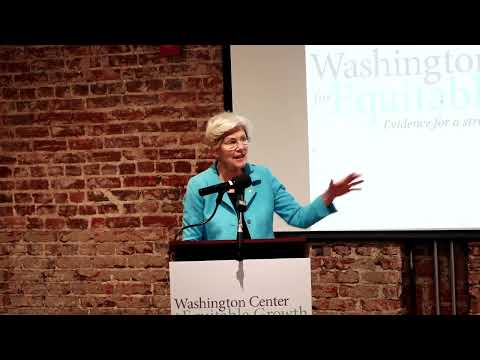
High-Profile Event on Tax Reform Features Sen. Warren

Sen. Elizabeth Warren (D-MA) headlined an event (opens in a new tab) that laid out Equitable Growth’s vision for tax reform amid debate over the pending expiration of the Trump tax cuts. The event received attention from The Washington Post (opens in a new tab), Bloomberg (opens in a new tab), Politico (opens in a new tab), Huff Post (opens in a new tab), Fox News (opens in a new tab), and more. Later in the year, Equitable Growth President and CEO Shayna Strom, Senior Fellow David Mitchell (opens in a new tab), and Senior Policy Fellow Michael Linden (opens in a new tab) co-authored the report (opens in a new tab), “The promise of equitable and pro-growth tax reform.”

Taxation

Event Highlights Economic Policy Stakes Ahead of the 2024 Election

Prior to the 2024 presidential election, Equitable Growth hosted a panel (opens in a new tab) of policy experts, academics, and journalists to discuss how the outcome of the race could shape the policy landscape over the coming years and how research informs our understanding of what that could mean for workers, families, and businesses. The virtual event featured New York Times reporter Jeanna Smialek, former Equitable Growth Senior Fellow and Research Advisor Kevin (opens in a new tab) (opens in a new tab)Rinz (opens in a new tab), Equitable Growth Nonresident Scholar Nirupama Rao (opens in a new tab), and others.

Presidential Elections

Equitable Growth Receives Funding from Melinda French Gates’ Pivotal

Equitable Growth was part of a group of nonprofit organizations that received $1 billion collectively from Melinda French Gates’ Pivotal to advance women’s power, gender equality, and the care economy. Equitable Growth President and CEO Shayna Strom said (opens in a new tab) the organization would use the money to support evidence-backed policies that reduce gender inequality. The grant was covered by The New York Times (opens in a new tab), NPR (opens in a new tab), the Associated Press, (opens in a new tab) and other media outlets.

Racial and Gender Inequality

Media Mentions Policy Innovation 2024

Nonresident Scholars Program Elevates Academics to Media and Policymakers

Equitable Growth brought together a cohort of scholars from economics, sociology, and political science to better connect them with policymakers and ensure public debates are grounded in economic evidence. Members of the inaugural cohort have worked with Equitable Growth staff to gain skills and opportunities to meet with members of the media and policymaking communities.

Events Publications Video 2025

Economic Populism Work Responds to New Era in Government

Equitable Growth launched its essay series (opens in a new tab) and related events, “The Rise of Populism and the Future of Economic Policy,” which explored the rise of anti-democratic populism, the factors driving it, and which policy solutions can support democracy in the future. The kickoff event (opens in a new tab) featured keynote remarks by former U.S. Sen. Sherrod Brown (D-OH) and union leader Sara Nelson. Several months later, the organization partnered with Columbia University to host two panel conversations (opens in a new tab) on what potential policy solutions to address the rise of populism might look like.

U.S. Inequality Tracker Data Visualization Tool Launches

Equitable Growth developed an innovative dashboard (opens in a new tab) pulling together datasets from the Bureau of Economic Analysis and the Federal Reserve to better show how economic growth is distributed across U.S. households. The interactive tool provides a clear view of trends in income and wealth inequality in the United States.

Income and Wealth Inequality

Media Mentions Publications 2025

Research on Federal Budget Bill Reveals its Unpopularity

Ahead of the passage of the 2025 budget bill, H.R.1, Yale University’s Jacob Hacker and Patrick Sullivan unveiled exclusive survey data (opens in a new tab) showing that when Americans were shown how the bill would affect the incomes of less wealthy workers and families versus the top 1 percent, very few supported it. The research was covered by The New York Times (opens in a new tab), MS NOW (opens in a new tab), and other major outlets. Robert Manduca at the University of Michigan also published research (opens in a new tab) how the bill’s Medicaid and nutrition assistance cuts would negatively affect local economies.

Income and Wealth Inequality

Media Mentions Publications 2025

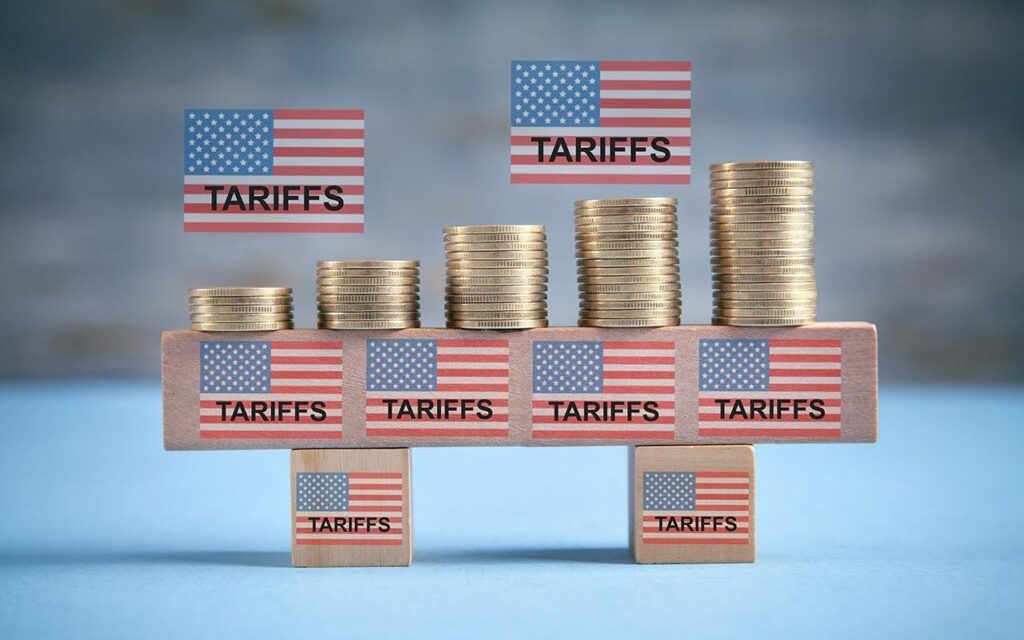
Analysis Highlights Which Workers are Most Vulnerable to Tariffs’ Impact

Equitable Growth research assistant Christopher Bangert-Drowns (opens in a new tab) analyzed (opens in a new tab) the effects of President Trump’s tariffs, finding the industry most affected by these trade policies was manufacturing and the geographic area most affected was the Midwest—specifically, Michigan, Wisconsin, and Indiana. Bangert-Drowns’ initial research was covered by the Associated Press (opens in a new tab). (opens in a new tab) Later, he updated (opens in a new tab) his analysis to show that White, male, and noncitizen workers were all disproportionately affected by the tariffs.

Funded Research Publications 2025

Organization Funds Research on Artificial Intelligence and Energy Transition

Equitable Growth announced two new rounds of funding, one (opens in a new tab) on the impact of AI on U.S. workers and competition, and another (opens in a new tab) on the economics of the energy transition. In addition to the AI grants, the organization released a series of essays (opens in a new tab) on emerging technology to better understand its effect on workers and economic growth.

Competition

Explore the Full Interactive Timeline

Step inside ten years of evidence-based impact. Browse milestones by topic, watch event highlights, and see how Equitable Growth’s research has shaped the economic debate.