



Policy
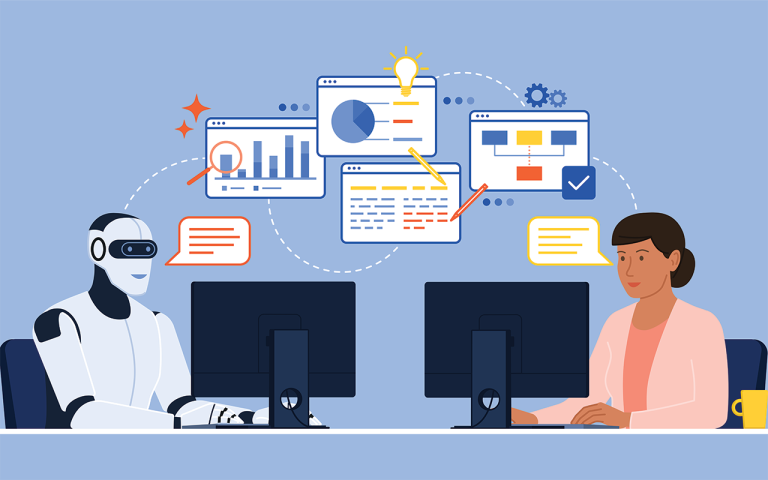
What Work Does Generative AI Do?
Essays SEP 8, 2026
By: Alexander Bick, Adam Blandin, David Deming, Tyler Schumacher
AI, Tech & Energy
Labor, Wages & Worker Power
 Browse All Resources
JUN 14, 2019
By: Petra Persson and Maya Rossin-Slater
While workplace flexibility is perceived to be a key determinant of maternal labor supply, less is known about fathers’ demand for flexibility or about intra-household spillover effects of flexibility initiatives. This paper examines these issues in the context of a critical period in family life—the months immediately following childbirth—and identifies the impacts of paternal access to workplace flexibility on maternal postpartum health. We model household demand for paternal presence at home as a function of domestic stochastic shocks, and use variation from a Swedish reform that granted new fathers more flexibility to take intermittent parental leave during the postpartum period in a regression discontinuity difference-in-differences (RD-DD) design. We find that increasing the father’s temporal flexibility reduces the risk of the mother experiencing physical postpartum health complications and improves her mental health. Our results suggest that mothers bear the burden from a lack of workplace flexibility—not only directly through greater career costs of family formation, as previously documented—but also indirectly, as fathers’ inability to respond to domestic shocks exacerbates the maternal health costs of childbearing.
Essays SEP 8, 2026
By: Alexander Bick, Adam Blandin, David Deming, Tyler Schumacher
Working Papers SEP 8, 2026
By: Alexander Bick, Adam Blandin, David Deming, Tyler Schumacher
Essays SEP 2, 2026
By: Megan Rivera
Get updates on our latest research, event announcements, and policy insights delivered straight to your inbox. Stay connected with the leading voices on equitable growth.


