



Policy
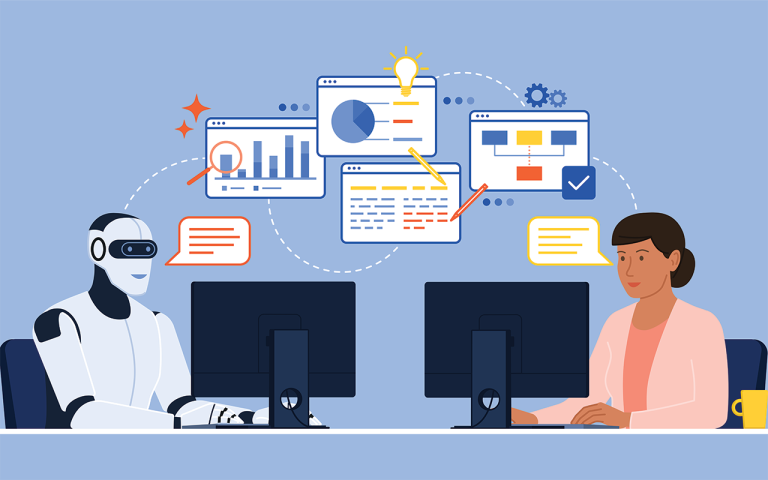
What Work Does Generative AI Do?
Essays SEP 8, 2026
By: Alexander Bick, Adam Blandin, David Deming, Tyler Schumacher
AI, Tech & Energy
Labor, Wages & Worker Power
 Browse All Resources
DEC 14, 2020
By: Ariel Kalil, Susan Mayer and Rohen Shah
The COVID-19 crisis and its reverberations resulted in levels of economic distress unprecedented since the 1930s. But COVID was a seismic social shock even for families that lost no income, due at least in part to abrupt school closures and the widespread threat of illness and death. The COVID-19 crisis will not affect all families equally, but may cause particular harm to children of low-income and less-educated parents and for preschool age children, who are especially sensitive to developmental inputs. We surveyed 572 low income families with preschool-age children in Chicago to understand family dynamics following the economic and social restrictions imposed by the pandemic. We separately examine the associations between economic hardship, exposure to the virus, and pandemic-induced increases in childcare time on parental mental health and stress, parent-child interaction, and children’s adjustment. We find both positive and negative effects: Parental job and income losses are strongly associated with parents’ depressive symptoms, stress, diminished sense of hope, and negative interactions with children. However, these ill effects do not occur for parents who lose jobs but do not experience concomitant income losses. In fact, job losses without income losses are associated with more positive parent-child interactions. Parents’ exposure to COVID-19 is associated with less positive parent-child interactions and more child behavior problems. In contrast, parents who report spending substantially more time in childcare as a consequence of the pandemic report more positive parent-child interaction. We discuss the implications of these results for policy and practice.
Essays SEP 8, 2026
By: Alexander Bick, Adam Blandin, David Deming, Tyler Schumacher
Working Papers SEP 8, 2026
By: Alexander Bick, Adam Blandin, David Deming, Tyler Schumacher
Essays SEP 2, 2026
By: Megan Rivera
Get updates on our latest research, event announcements, and policy insights delivered straight to your inbox. Stay connected with the leading voices on equitable growth.


