



Policy
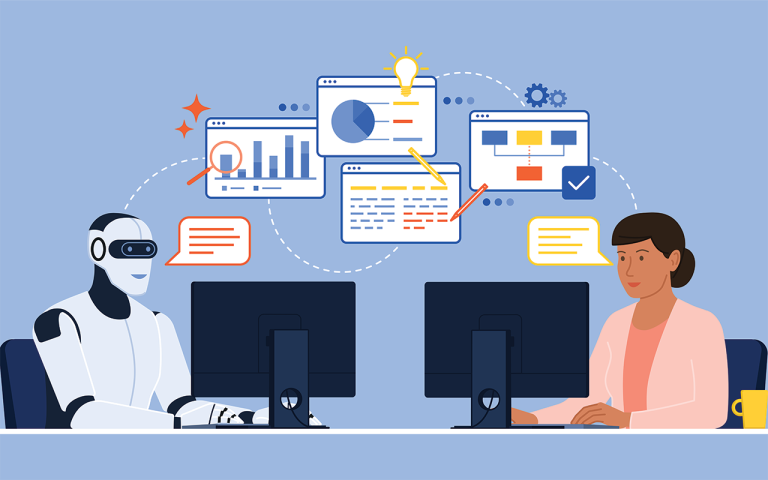
What Work Does Generative AI Do?
Essays SEP 8, 2026
By: Alexander Bick, Adam Blandin, David Deming, Tyler Schumacher
AI, Tech & Energy
Labor, Wages & Worker Power
 Browse All Resources
OCT 21, 2025
By: Casey McQuillan and Brendan Moore
Existing research consistently finds that UI benefits delay job finding with limited effects on job quality, but focuses on changes in unemployment insurance (UI) generosity while holding fixed access to re-employment services. Using employer-employee matched data from Washington State and a fuzzy regression discontinuity design around the eligibility threshold for UI, we find that benefit receipt minimally delays re-employment but substantially improves labor market outcomes. UI increases cumulative hours worked by approximately 15 full-time weeks and earnings by $14,000 in the two years following job loss, representing 37 percent and 50 percent increases, respectively. These gains are driven by improved job quality, as recipients experience longer tenure and higher wages with their next employer. Effects are larger for workers living near public employment offices, suggesting that access to re-employment services enhances search productivity. Expanding UI access by lowering the eligibility threshold is much more cost-effective than raising benefit levels or extending potential duration, as workers benefit from more stable, higher-paying re-employment that partially offsets its cost.
Essays SEP 8, 2026
By: Alexander Bick, Adam Blandin, David Deming, Tyler Schumacher
Working Papers SEP 8, 2026
By: Alexander Bick, Adam Blandin, David Deming, Tyler Schumacher

Essays SEP 2, 2026
By: Megan Rivera
Get updates on our latest research, event announcements, and policy insights delivered straight to your inbox. Stay connected with the leading voices on equitable growth.


