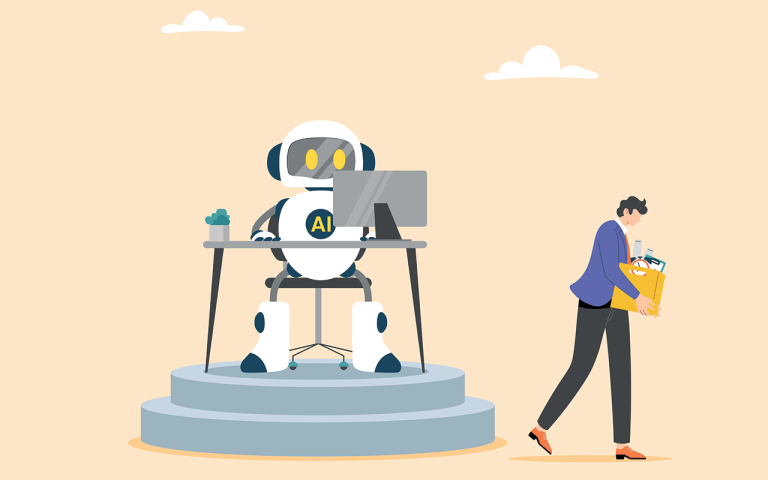
What happens to U.S. workers without access to Unemployment Insurance amid economic downturns or disruptions related to AI?
Essays SEP 2, 2026
By: Megan Rivera
AUG 15, 2017
By: Will Dobbie and Jae Song
Read the full PDF in your browser (opens in a new tab)
We study the drivers of financial distress using a large-scale field experiment that offered randomly selected borrowers a combination of (i) immediate payment reductions to target short- run liquidity constraints and (ii) delayed debt write-downs to target long-run debt constraints. We identify the separate effects of the payment reductions and debt write-downs using variation from both the experiment and cross-sectional differences in treatment intensity. We find that the debt write-downs significantly improved both financial and labor market outcomes despite not taking effect for three to five years. In sharp contrast, there were no positive effects of the more immediate payment reductions. These results run counter to the widespread view that financial distress is largely the result of short-run constraints.
Essays SEP 2, 2026
By: Megan Rivera
Videos AUG 13, 2026
By: Equitable Growth
Essays AUG 7, 2026
By: Chiara Chanoi
Get updates on our latest research, event announcements, and policy insights delivered straight to your inbox. Stay connected with the leading voices on equitable growth.