


Policy
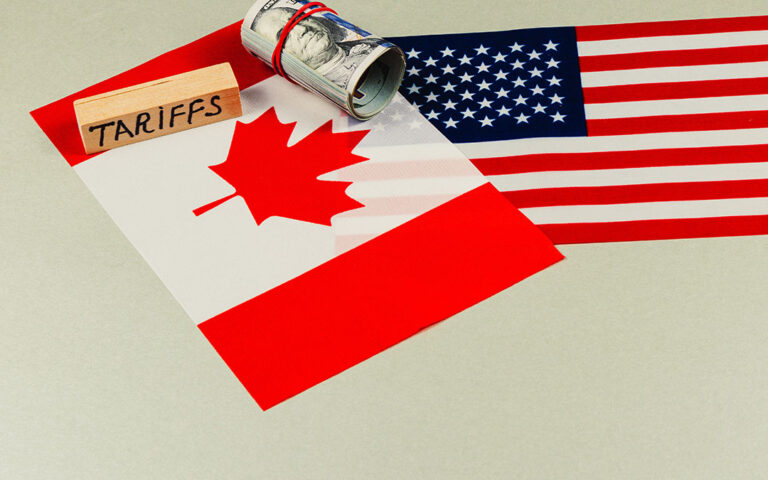
Trump’s trade war with Canada grows increasingly costly as Section 338 tariffs harm both economies
Essays SEP 22, 2026
By: Christopher Bangert-Drowns
Macroeconomics & Economic Measurement
Taxation
 Browse All Resources
DEC 22, 2016
By: Nick Bunker

With the end of 2016 approaching, let’s take a look back at the 10 most popular Value Added posts this year:
“Some of us contribute more than members of the top one percent to the economy, and some of us contribute less. None of us gets exactly what we deserve.” Nancy Folbre writes (opens in a new tab) on the just deserts theory of inequality.
Two papers presented earlier this year grapple with the economics of wealth taxation and how it might actually boost economic growth and affect wealth inequality.
The dominant education policy framework holds that more funds can’t really boost educational outcomes. Bridget Ansel writes on a new study that finds more money leads to higher test scores.
Inflation might not be as harmful as many models of the economy would have policymakers believe, recent research argues. Perhaps slightly higher inflation would be a net benefit for the U.S. economy.
Using a number of political science papers released as part of Equitable Growth working paper series, Kavya Vaghul makes the case the United States is stuck in a feedback loop of economic inequality feeding into political inequality and then back to economic inequality.
How high should the tax rate on capital income be? Many economists would argue that it should be lower than the tax rate on labor income, but a new model argues that this might not also be the case.
Who ultimately pays a tax? Economic theory tells us the incidence of a tax can often be shifted onto someone who wasn’t the original target of the tax. Elasticity holds the key to understand who actually pays.
On the 20th anniversary of the release of “Myth and Measurement: The New Economics of the Minimum Wage” it’s clear how much our understanding of how low-wage labor markets work has changed since its publication.
The high savings rates of corporations doesn’t appear to be an optimistic trend for the U.S. economy. If anything, it should make us very concerned about the future pace of economic growth.
Note: This is the last Value Added of 2016. We’ll resume publishing on January 4, 2017.
Essays SEP 22, 2026
By: Christopher Bangert-Drowns

Essays SEP 8, 2026
By: Alexander Bick, Adam Blandin, David Deming, Tyler Schumacher

Essays SEP 2, 2026
By: Megan Rivera
Get updates on our latest research, event announcements, and policy insights delivered straight to your inbox. Stay connected with the leading voices on equitable growth.


