


Policy
What Work Does Generative AI Do?
Essays SEP 8, 2026
By: Alexander Bick, Adam Blandin, David Deming, Tyler Schumacher
AI, Tech & Energy
Labor, Wages & Worker Power
 Browse All Resources
JUN 14, 2017
By: Bridget Ansel
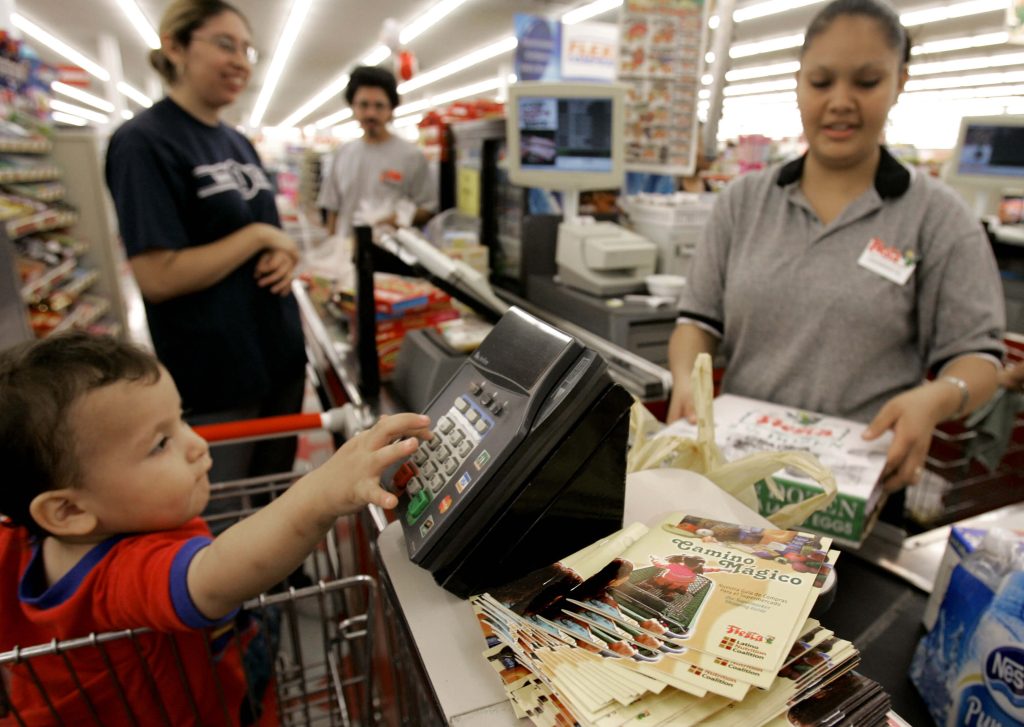
For Americans with a 9-to-5 job, it can be hard to imagine the life of a worker with an unpredictable, constantly shifting schedule. But this is the reality for 17 percent of workers in the United States, whose schedules are often a product of “lean labor strategies” that try to align the number of staff working with consumer demand in as close to real time as possible. In doing so, employers may variously give workers only a few days’ notice of their schedule for the coming week, no choice but to work last-minute overtime if things are busy, or the choice to be sent home early without pay when business is slow.
Unpredictable scheduling practices shift the risk of doing business onto workers and their families. And while these kinds of strategies may appear to make good business sense by reducing labor costs, there is growing evidence of the negative economic ramifications not only for workers and their families but also for businesses and the broader U.S. economy. Here’s a brief snapshot of that research:
Essays SEP 8, 2026
By: Alexander Bick, Adam Blandin, David Deming, Tyler Schumacher
Working Papers SEP 8, 2026
By: Alexander Bick, Adam Blandin, David Deming, Tyler Schumacher

Essays SEP 2, 2026
By: Megan Rivera
Get updates on our latest research, event announcements, and policy insights delivered straight to your inbox. Stay connected with the leading voices on equitable growth.


