


Issue Areas
The Washington Center for Equitable Growth is engaged in an array of issues to advance evidence-based ideas and policies that promote strong, stable, and broad-based economic growth.

0 Results
No results match your criteria. Try clearing the search or adjusting your filters.

AI, Tech & Energy
Equitable Growth supports research and policy analysis on how artificial intelligence, emerging technologies, and the energy transition affect workers, inequality, and broad-based economic growth.
Macroeconomics & Economic Measurement
Equitable Growth supports research and policy analysis on how macroeconomic policies and better economic measurement can promote stable and broad-based economic growth.

Political Economy & Democracy
Equitable Growth supports research and policy analysis on how economic inequality shapes political power and democratic institutions, and how that in turn affects broad-based economic growth.

Taxation
Equitable Growth supports research and policy analysis on how tax policies can promote stable and broad-based economic growth.

Competition & Economic Dynamism
Equitable Growth supports research and policy analysis on how strong competition among U.S. businesses affects inequality and broad-based economic growth.

Household Economic Security
Equitable Growth supports research and policy analysis on how unequal access to care, 21st century work-life policies, and education undermines stable, broad-based economic growth.

Economic Equity & Opportunity
Equitable Growth supports research and policy analysis on how trends in economic inequality and mobility and changes in the economy have affected the concentration of wealth, income, and earnings, and how these distributional shifts have affected the promise of economic security and opportunity.

Labor, Wages & Worker Power
Equitable Growth supports research and policy analysis on how inequalities in wages, bargaining power, and the evolving labor market affect workers’ economic security and opportunity as well as broad-based economic growth.
501 Results
 (opens in a new tab)

New research shows how U.S. homeownership and the accumulation of housing wealth are linked to political participation (opens in a new tab)
Essays Aug 14, 2026
Persistent affordability pressures have driven up housing costs for millions of U.S. families in recent years. Home prices remain near record highs relative to incomes, mortgage rates and associated costs…
(opens in a new tab)
Housing Wealth Accumulation and Electoral Representation (opens in a new tab)
Working Papers Aug 14, 2026
We document that housing wealth accumulation systematically differs among homeowners by their political participation. Using a nationwide voter-property dataset, we find that realized housing appreciation increases monotonically the more a…
(opens in a new tab)

Defining extreme wealth is more complicated than it looks (opens in a new tab)
Videos Aug 13, 2026
Facing high levels of income and wealth inequality and shrinking tax revenues, U.S. policymakers are showing increased interest in proposals to tax the richest households. Yet determining which households fall into that category is complex and changes based…
(opens in a new tab)
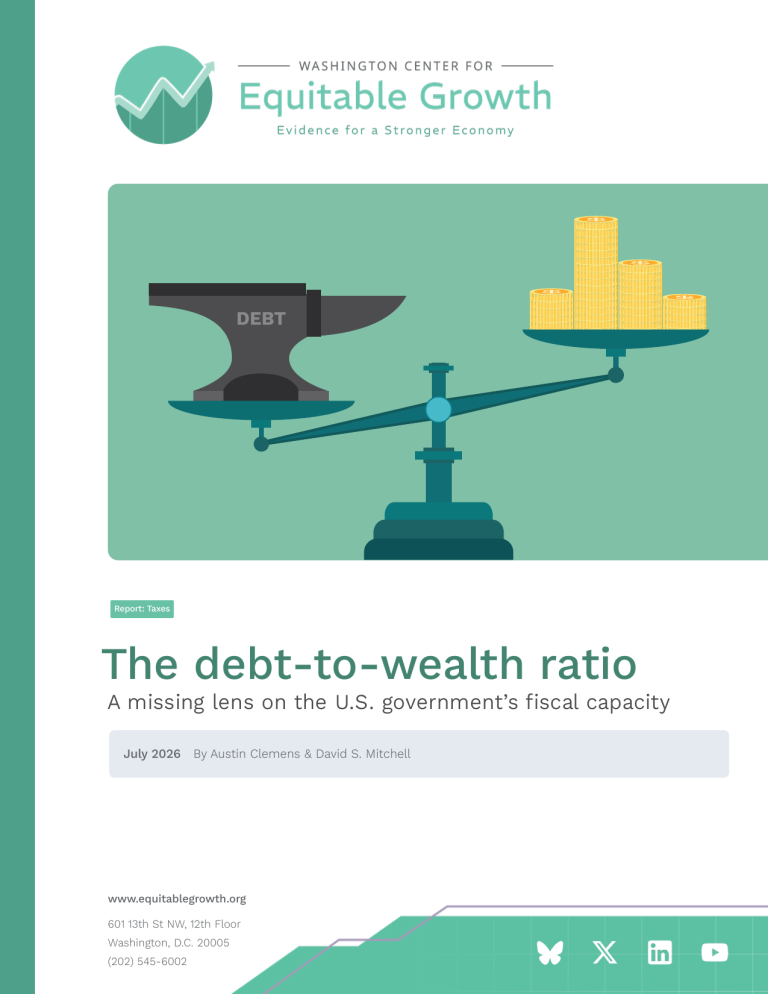
The debt-to-wealth ratio: A missing lens on the U.S. government’s fiscal capacity (opens in a new tab)
Reports Jul 30, 2026
Few statistics shape the fiscal debate in the United States as powerfully as the ratio of federal debt-to-Gross Domestic Product. Debt held by the public recently surpassed 100 percent of…
(opens in a new tab)
 View Chart
(opens in a new tab)
View Chart
(opens in a new tab)
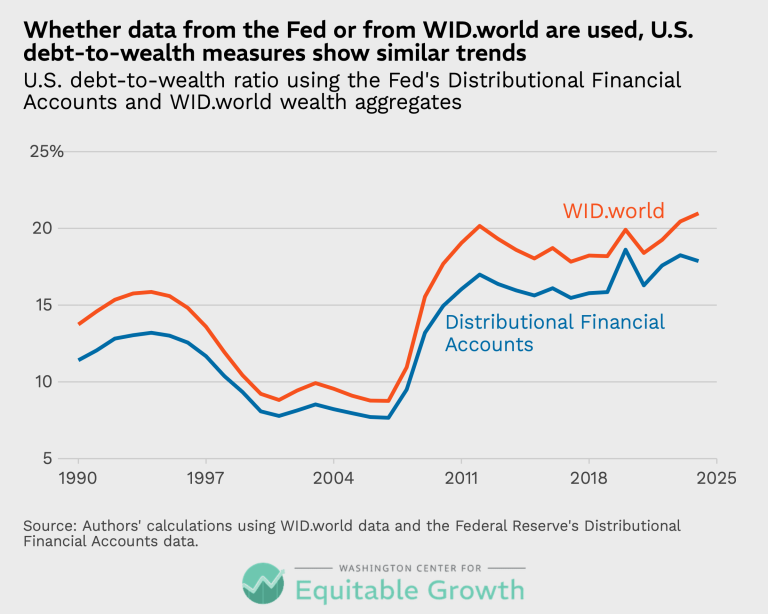
Whether data from the Fed or from WID.world are used, U.S. debt-to-wealth measures show similar trends (opens in a new tab)
Visualizations Jul 22, 2026
(opens in a new tab)
 View Chart
(opens in a new tab)
View Chart
(opens in a new tab)
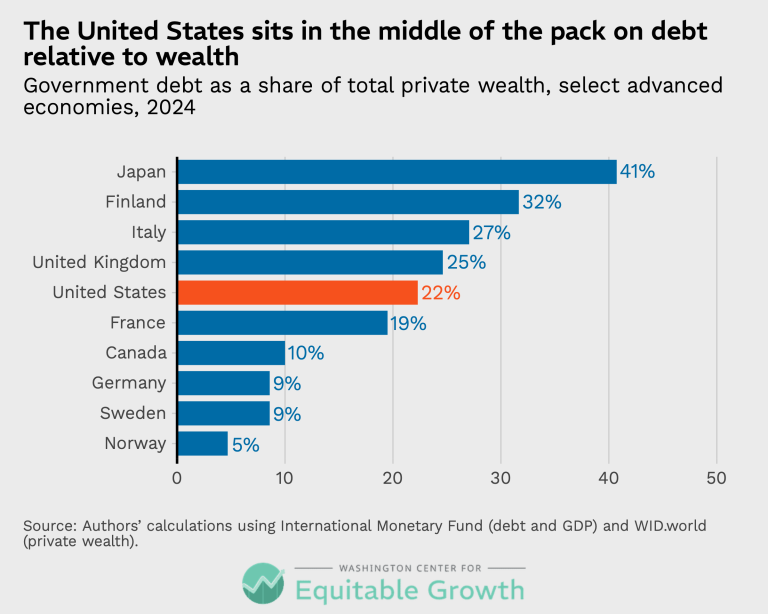
The United States sits in the middle of the pack on debt relative to wealth (opens in a new tab)
Visualizations Jul 22, 2026
66 Results
-
 Daniel Reck (opens in a new tab)
Assistant Professor of Economics
Daniel Reck (opens in a new tab)
Assistant Professor of Economics
University of Maryland
-
 Max Risch (opens in a new tab)
Assistant Professor
Max Risch (opens in a new tab)
Assistant Professor
Carnegie Mellon University
-
Tal Gross (opens in a new tab) Associate Professor
Boston University
-
 Scott Nelson (opens in a new tab)
Assistant Professor of Finance
Scott Nelson (opens in a new tab)
Assistant Professor of Finance
University of Chicago
-
 Shayak Sarkar (opens in a new tab)
Acting Professor of Law
Shayak Sarkar (opens in a new tab)
Acting Professor of Law
University of California, Davis
-
 Juliana Londoño-Vélez (opens in a new tab)
Assistant Professor of Economics
Juliana Londoño-Vélez (opens in a new tab)
Assistant Professor of Economics
University of California, Los Angeles
-
 Vanessa Williamson (opens in a new tab)
Senior Fellow
Vanessa Williamson (opens in a new tab)
Senior Fellow
Brookings Institution
-
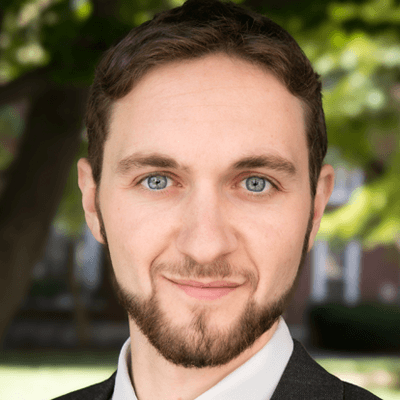 Xavier Jaravel (opens in a new tab)
Associate Professor
Xavier Jaravel (opens in a new tab)
Associate Professor
London School of Economics
-
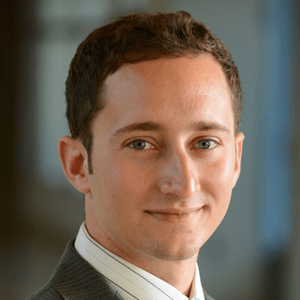 Eric Zwick (opens in a new tab)
Associate Professor of Finance and Fama Faculty Fellow
Eric Zwick (opens in a new tab)
Associate Professor of Finance and Fama Faculty Fellow
University of Chicago
-
 Eric Ohrn (opens in a new tab)
Associate Professor
Eric Ohrn (opens in a new tab)
Associate Professor
Grinnell College
-
David Kamin (opens in a new tab) Deputy Director
National Economic Council
-
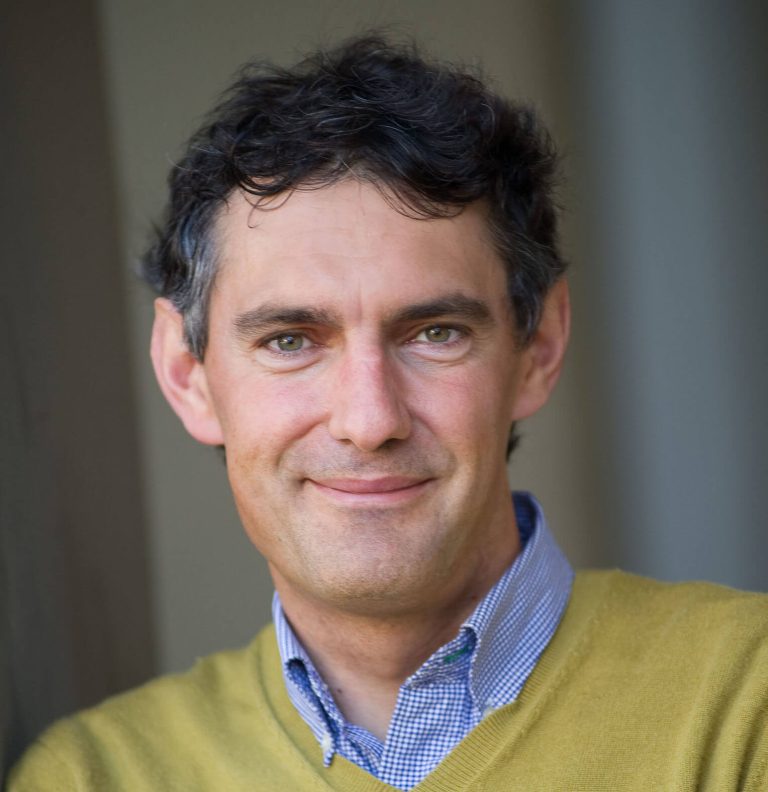 Emmanuel Saez (opens in a new tab)
Professor of Economics
Emmanuel Saez (opens in a new tab)
Professor of Economics
University of California, Berkeley
-
 Greg Leiserson (opens in a new tab)
Senior Economist
Greg Leiserson (opens in a new tab)
Senior Economist
Council of Economic Advisers
-
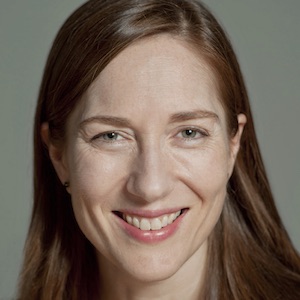 Heather Boushey (opens in a new tab)
Senior Research Fellow
Heather Boushey (opens in a new tab)
Senior Research Fellow
Harvard University
-
 Gabriel Zucman (opens in a new tab)
Associate Professor of Economics and Director of the Stone Center on Wealth and Income Inequality
Gabriel Zucman (opens in a new tab)
Associate Professor of Economics and Director of the Stone Center on Wealth and Income Inequality
University of California, Berkeley
-
 Adrien Auclert (opens in a new tab)
Assistant Professor
Adrien Auclert (opens in a new tab)
Assistant Professor
Stanford University
-
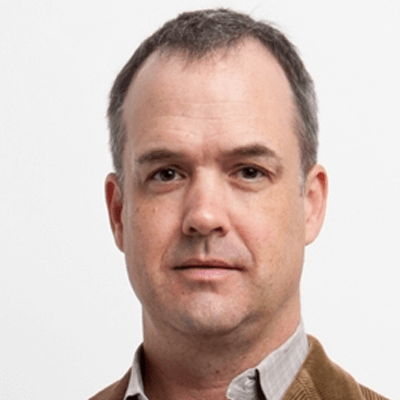 Daniel Carpenter (opens in a new tab)
Allie S. Freed Professor of Government
Daniel Carpenter (opens in a new tab)
Allie S. Freed Professor of Government
Harvard University
-
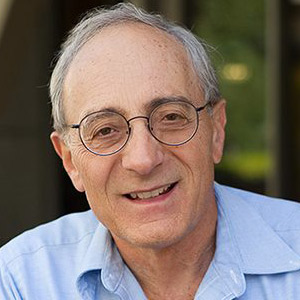 Michael Reich (opens in a new tab)
Professor of Economics
Michael Reich (opens in a new tab)
Professor of Economics
University of California, Berkeley
-
 Nathan Jensen (opens in a new tab)
Professor of Government
Nathan Jensen (opens in a new tab)
Professor of Government
University of Texas at Austin
-
 Mi Luo (opens in a new tab)
Assistant Professor
Mi Luo (opens in a new tab)
Assistant Professor
Emory University
-
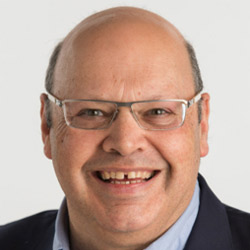 Reuven S. Avi-Yonah (opens in a new tab)
Irwin I. Cohn Professor of Law
Reuven S. Avi-Yonah (opens in a new tab)
Irwin I. Cohn Professor of Law
University of Michigan, Ann Arbor
-
 Robert Lynch (opens in a new tab)
The Young Ja Lim Professor in Economics
Robert Lynch (opens in a new tab)
The Young Ja Lim Professor in Economics
Washington College
-
 Nisha Chikhale (opens in a new tab)
Ph.D. Candidate
Nisha Chikhale (opens in a new tab)
Ph.D. Candidate
University of Wisconsin-Madison
-
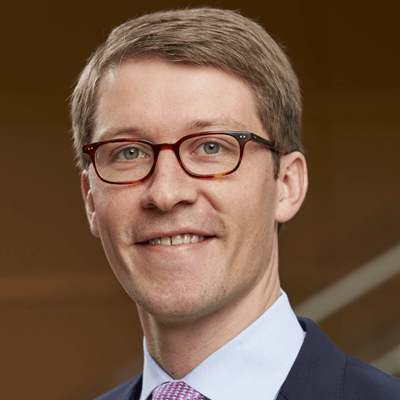 Owen Zidar (opens in a new tab)
Professor of Economics and Public Affairs
Owen Zidar (opens in a new tab)
Professor of Economics and Public Affairs
Princeton University






Your Source for the Latest Insights
Get updates on our latest research, event announcements, and policy insights delivered straight to your inbox. Stay connected with the leading voices on equitable growth.