


Policy
Trump’s trade war with Canada grows increasingly costly as Section 338 tariffs harm both economies
Essays SEP 22, 2026
By: Christopher Bangert-Drowns
Macroeconomics & Economic Measurement
Taxation
 Browse All Resources
DEC 28, 2015
By: Nick Bunker
With 2015 about to end, it’s worth taking a look back at some of the year’s most interesting graphs. Check them out below.
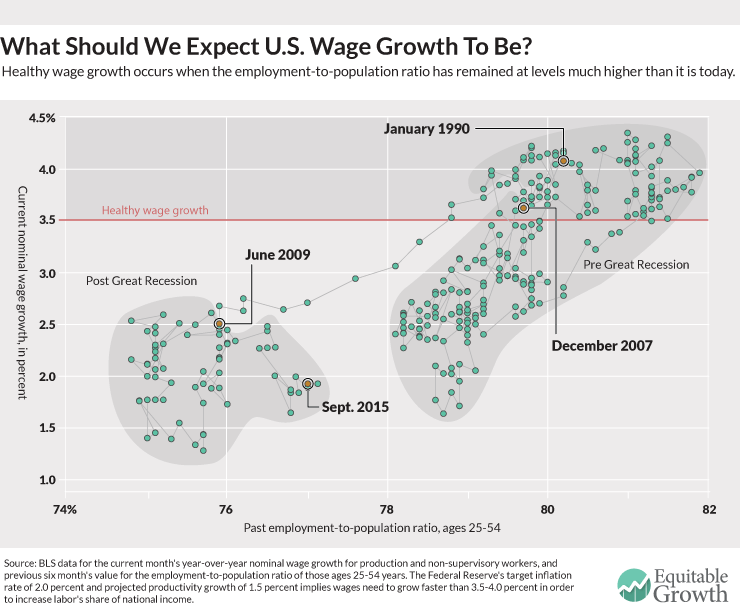
While the U.S. unemployment rate has reached 5 percent, wage growth hasn’t accelerated. Previous experience shows more workers need to be employed before we get healthy wage growth.
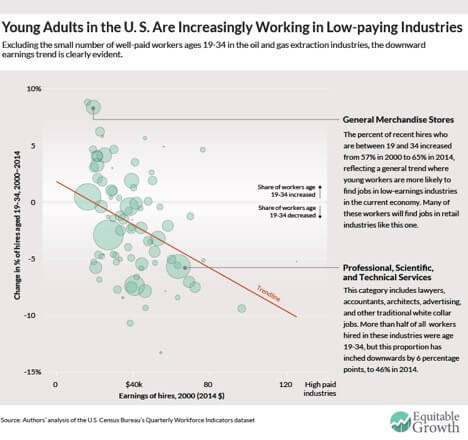
The job ladder has been a key way that workers get raises, as they move up to higher-paying jobs. But the job ladder in the United States seems to have collapsed in the 21st century.
(original graph from the Roosevelt Institute (opens in a new tab))
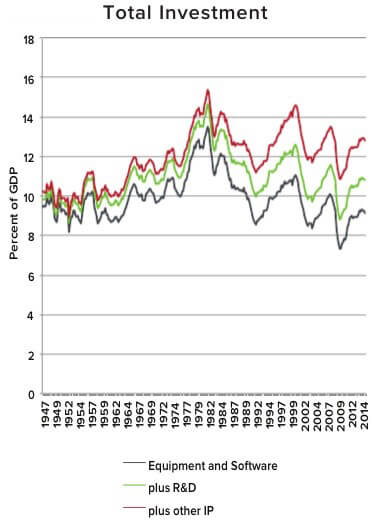
While U.S. investment growth has been weak during the current economic recovery, the weakness (opens in a new tab) is actually a longer-term phenomenon.
(original graphs from the American Economic Review)
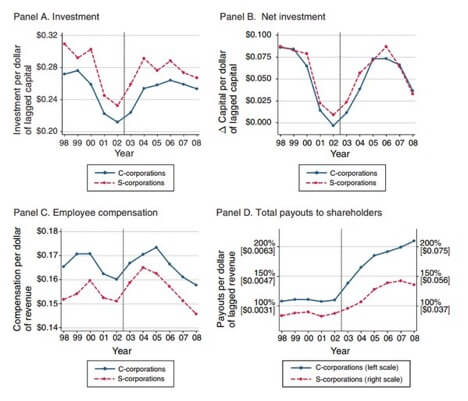
Furthermore, the 2003 dividend tax cut was sold as a way to boost U.S. investment. But we should be skeptical (opens in a new tab) that it did anything of the sort.
(original graph from the Council of Economic Advisers (opens in a new tab))
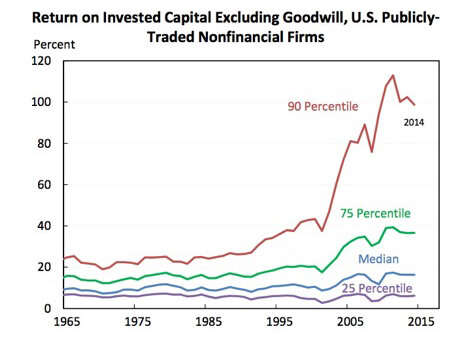
The role of economic rents—excess returns to an economic actor—is an increasingly popular topic of conversation when it comes to economic inequality. The extraordinary returns (opens in a new tab) some firms have seen is a sign of the importance of rents.
(original graph from the Federal Reserve (opens in a new tab))
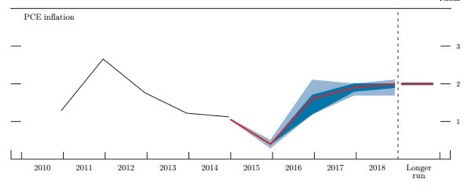
As the Federal Reserve recently raised interest rates for the first time in almost a decade, it sees (opens in a new tab) inflation running below its target for the next three years.
(original graph from the Council of Economic Advisers (opens in a new tab))
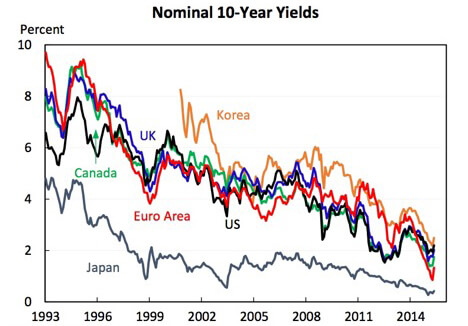
While short-term interest rates may be on the upswing, long-term interest rates (opens in a new tab) have been falling for a while. And they seem set to be that way for a while.
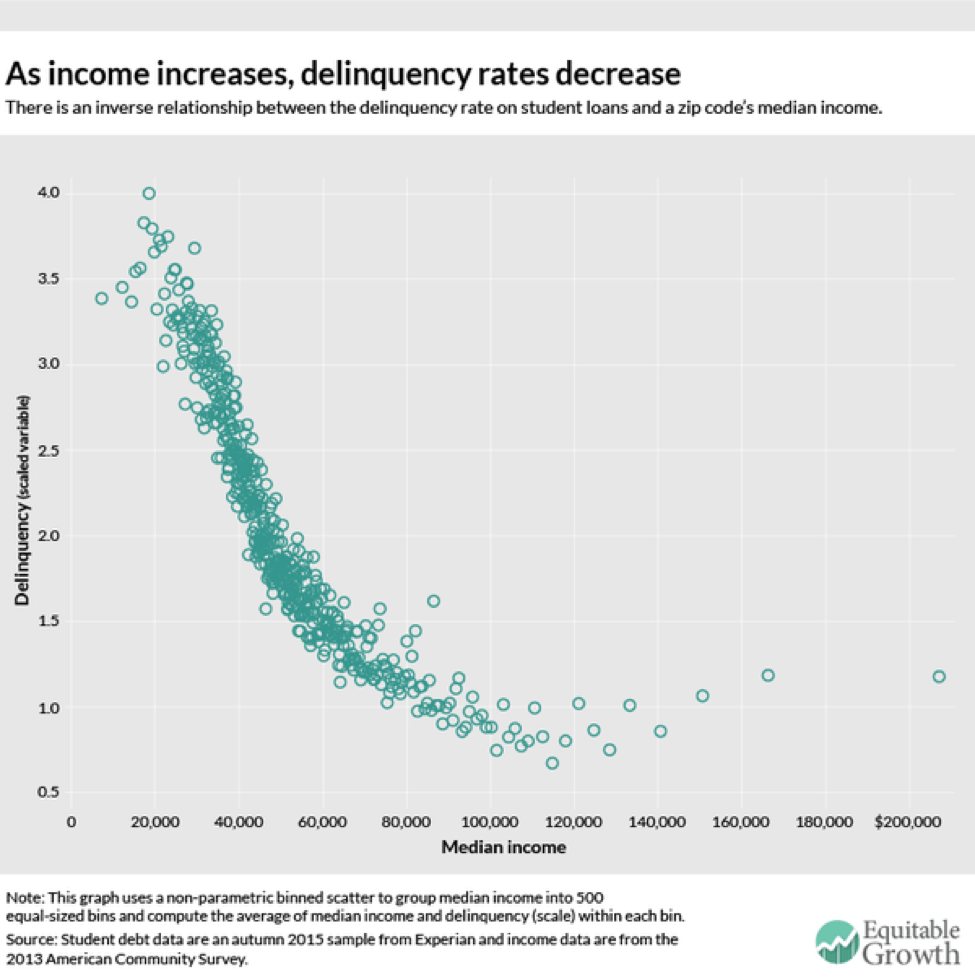
The massive increase in student loan debt across the United States has triggered concerns that borrowers with huge debt burdens will default. But borrowers with small balances are actually the most likely to default.
Essays SEP 22, 2026
By: Christopher Bangert-Drowns

Essays SEP 8, 2026
By: Alexander Bick, Adam Blandin, David Deming, Tyler Schumacher

Essays SEP 2, 2026
By: Megan Rivera
Get updates on our latest research, event announcements, and policy insights delivered straight to your inbox. Stay connected with the leading voices on equitable growth.


