


Policy
What Work Does Generative AI Do?
Essays SEP 8, 2026
By: Alexander Bick, Adam Blandin, David Deming, Tyler Schumacher
AI, Tech & Energy
Labor, Wages & Worker Power
 Browse All Resources
SEP 27, 2016
By: Bridget Ansel
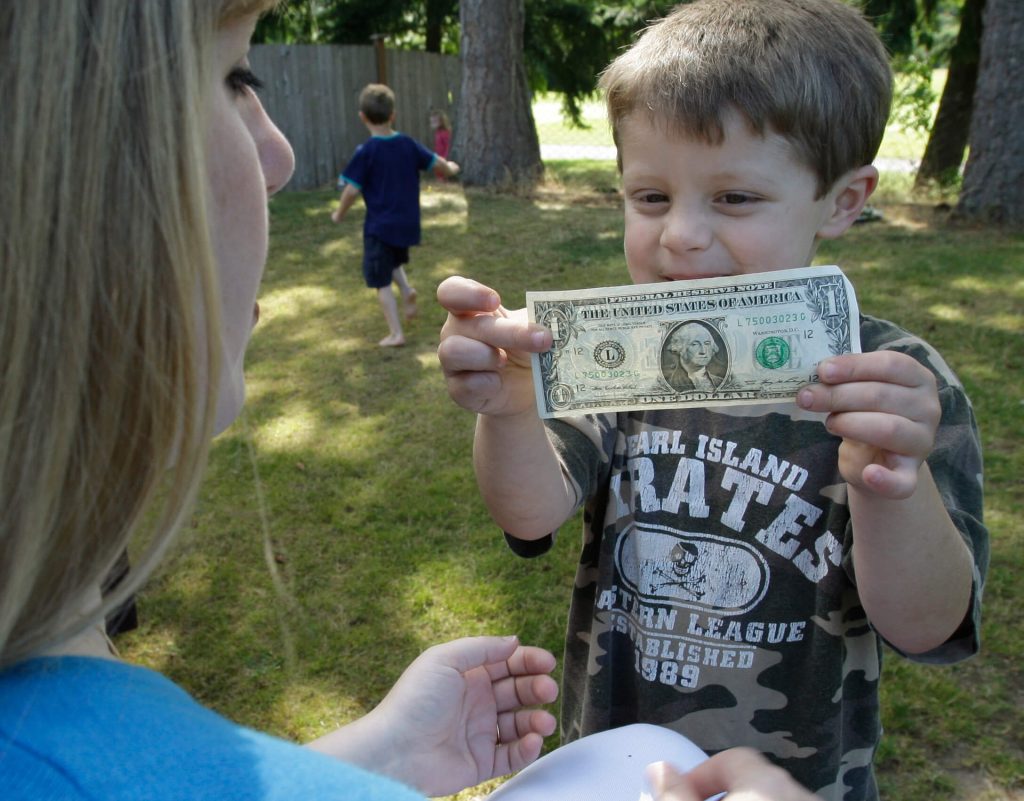
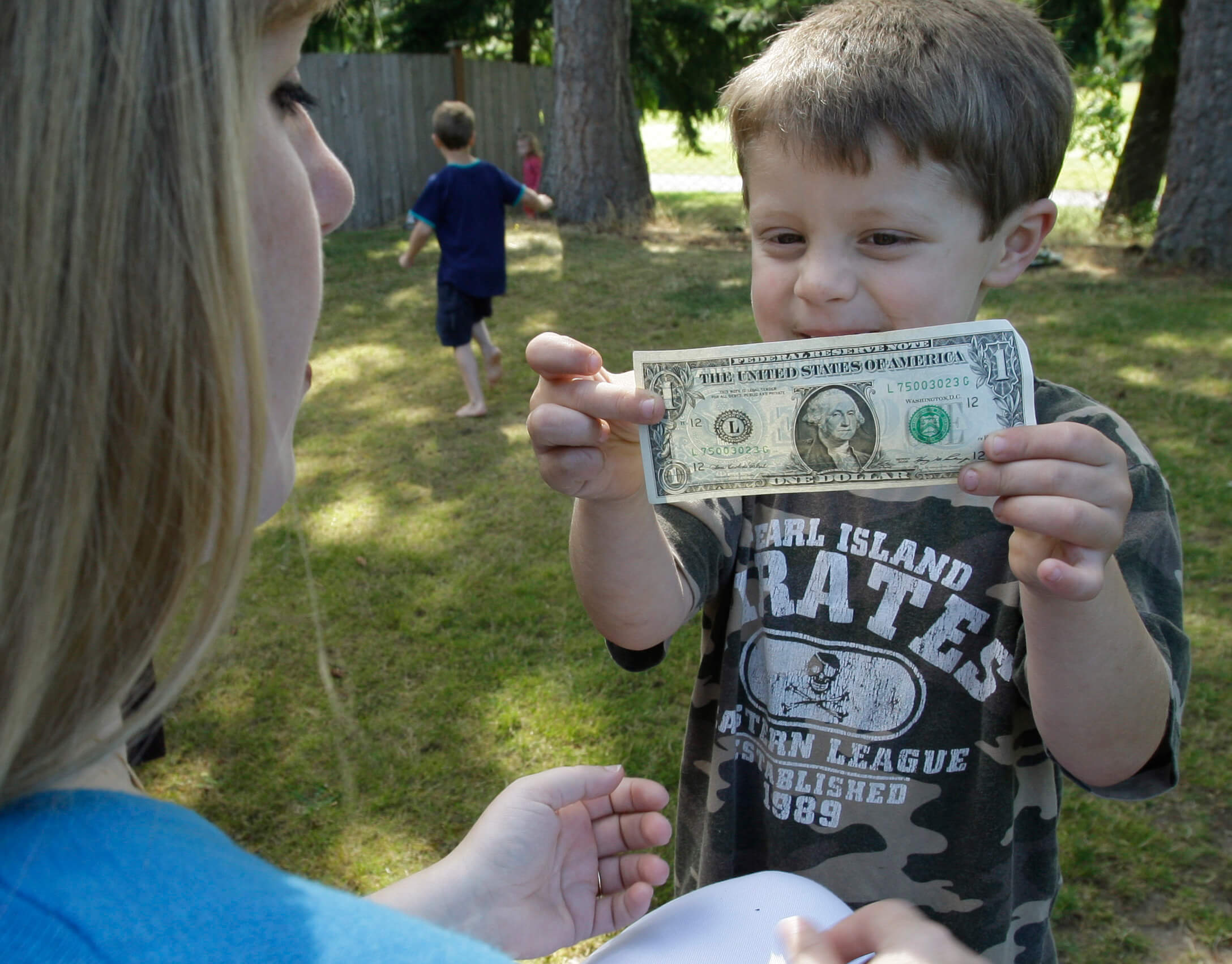
(AP Photo/Ted S. Warren)
This unpaid work is essential to any nation’s economy’s ability to function. Throughout history, nonemployed women tended to be responsible for domestic duties and round-the-clock care of family members, rendering their value invisible in an economic system where work is predominantly measured in wages. Today, even as more women have entered the paid workforce, the report highlights how the higher burden of domestic duties limits women’s opportunity to earn money, participate in political activities, and take days off.
While wealthier countries tend to have a smaller gender gap in unpaid work, a sizeable difference still exists even in the United States. Arlie Hochschild’s seminal 1989 book, “The Second Shift (opens in a new tab),” detailed the way working women in the United States essentially performed two jobs: punching out at work only to come home to care for the family. More than 25 years later, men are pitching in more domestically, but things are still far from equal (opens in a new tab): Women in the United States still perform almost double the amount of housework (opens in a new tab) and childcare (opens in a new tab) as their male partners. Studies show that many women offset the heavier burden at home by reducing the time they spend in paid employment (which means less overall income), especially in jobs (opens in a new tab) that reward long hours at the office.
The failure to value unpaid domestic and care work also has broader implications for the U.S. economy. While the value of unpaid work affects economic activity, it is not currently captured by gross domestic product statistics (opens in a new tab). Care work, for example, is the foundation of what many economists call “human infrastructure (opens in a new tab).” Just as we depend on the bridges, roads, and railways that make up our physical infrastructure for society to function, we rely on the support of those caring for the elderly and nurturing the young. Investing in the care of our children today ensures a productive workforce tomorrow (opens in a new tab). Being able to arrange sufficient proper care for a child or ailing parent affects what kind of job you can take and how productive you’ll be once you get there.
That is why gender equality and women’s time is not just an issue of fairness. Women make up nearly half of the working-age population in the United States. Globally, a recent report (opens in a new tab) by the McKinsey Global Institute finds that advancing women’s equality could add $12 trillion to global growth. In the United States alone, that number amounts to $2.1 trillion (opens in a new tab) in 2025.
The issue of time spent outside of the (paid) workplace tends to be overlooked in debates around gender equality, but what happens at home has ripple effects throughout society. Policymakers can help close the time gap by redistributing some of the unpaid work to men. After all, men who have access to paid leave after the birth of a child spend more time on household labor and childcare even years later (opens in a new tab). But in an era in which men and women are both in the labor force, redistribution isn’t enough as it just means that everyone will struggle to reconcile work and family life. Policies such as flexible working arrangements, affordable care for children and the elderly, and affordable healthcare can support men and women alike and strengthen society and the economy as well.
Essays SEP 8, 2026
By: Alexander Bick, Adam Blandin, David Deming, Tyler Schumacher
Working Papers SEP 8, 2026
By: Alexander Bick, Adam Blandin, David Deming, Tyler Schumacher
Essays SEP 2, 2026
By: Megan Rivera
Get updates on our latest research, event announcements, and policy insights delivered straight to your inbox. Stay connected with the leading voices on equitable growth.


